

Product
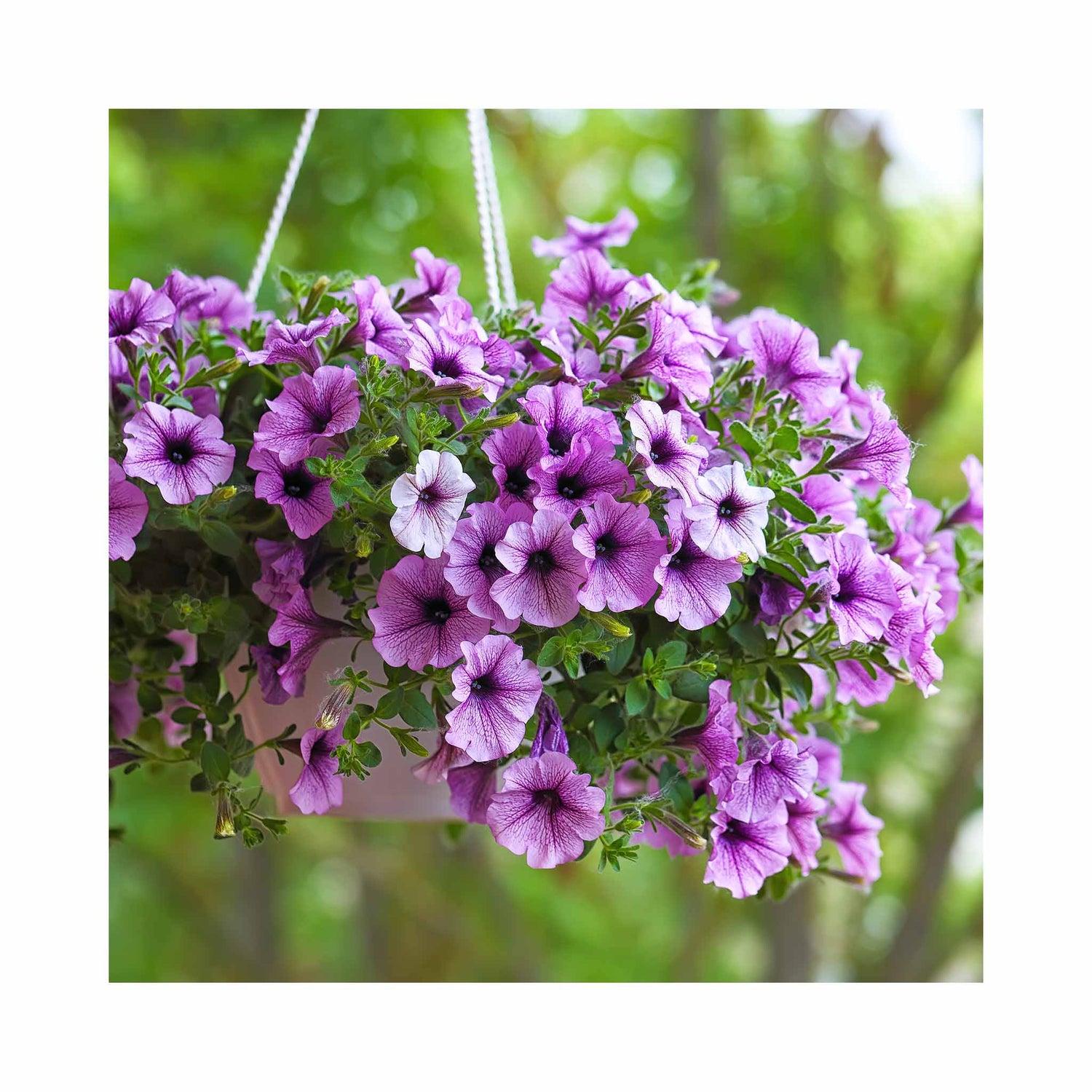
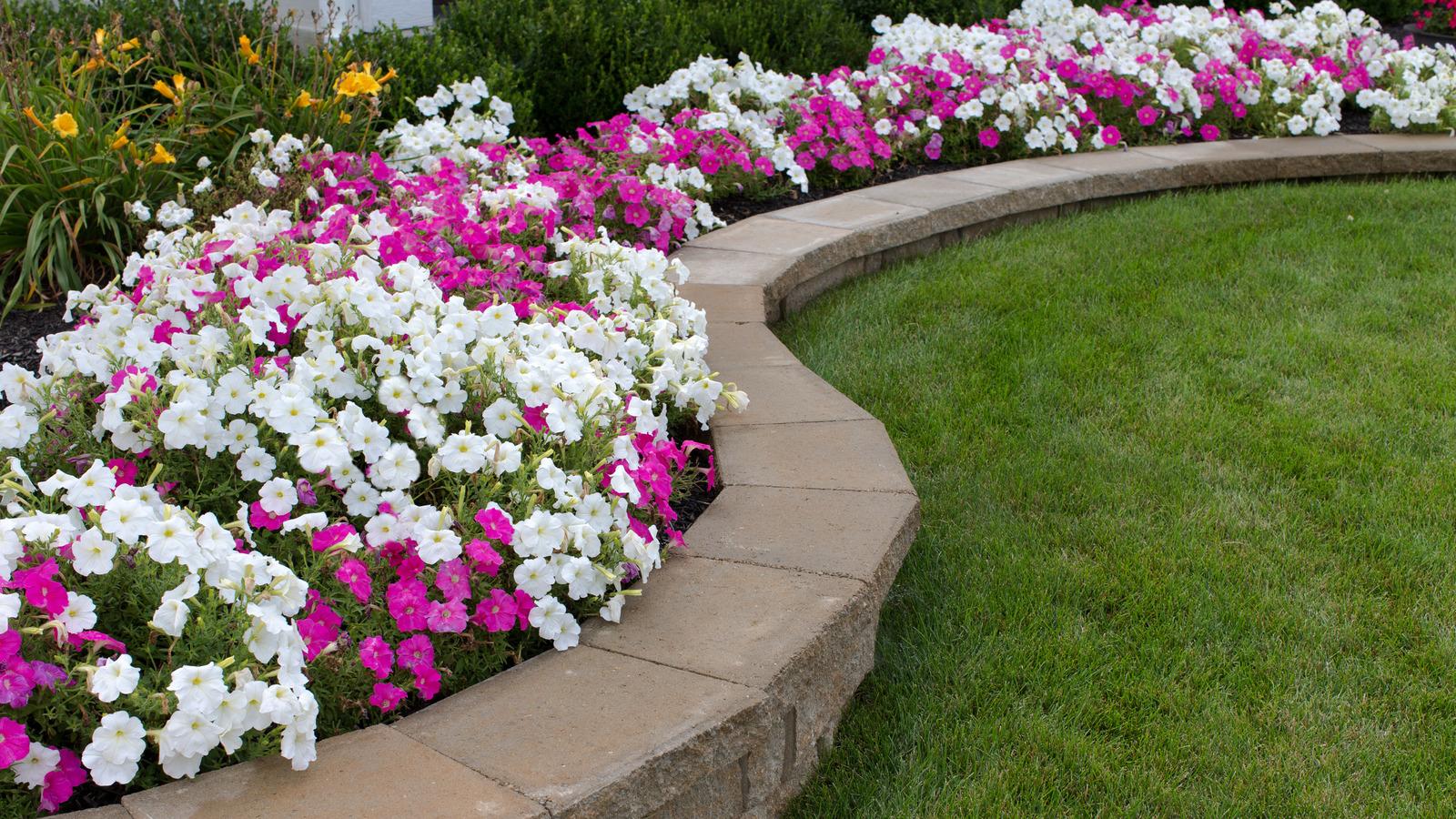
Petunia


Scientific Name: Petunia × atkinsiana (Garden Petunia) Common Name: Petunia Family: Solanaceae (Nightshade Family) Genus: Petunia Origin: South America (Brazil, Argentina, Uruguay) Plant Type: Annual flowering plant (grown as a perennial in frost-free climates)
- SKU: PLANT4589
- CATEGORY: Balconies and terraces
- TAGs: Air Purifying , Low Maintenance
Introduction
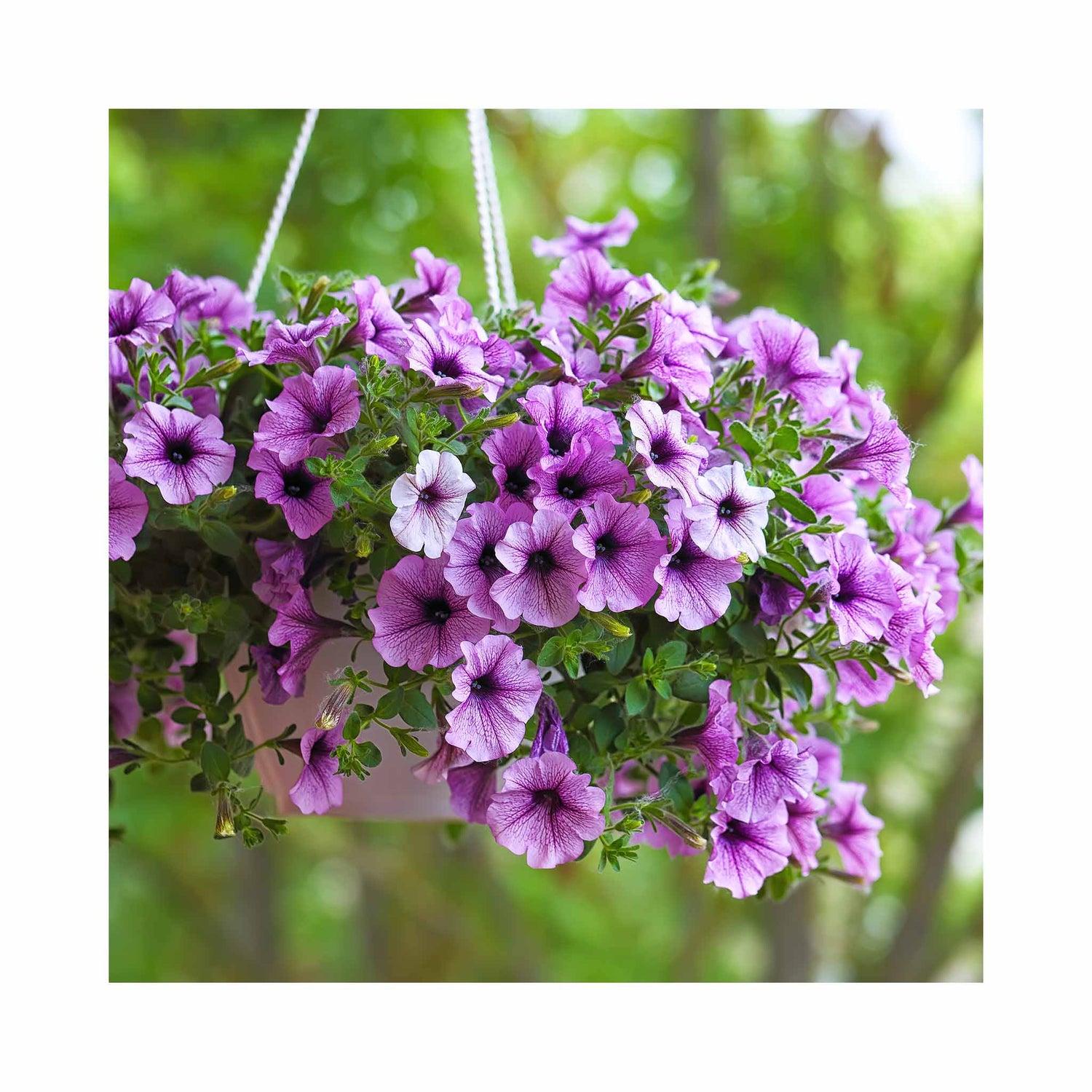
Petunia (Petunia × atkinsiana) is one of the world's most popular ornamental flowering plants, admired for its bright, trumpet-shaped flowers, long blooming season, and wide range of vibrant colors. It is commonly grown in gardens, flower beds, hanging baskets, window boxes, and containers.
Petunias bloom continuously from spring until the first frost in cooler climates, and almost year-round in warm tropical regions with proper care. Their colorful flowers attract butterflies, bees, and hummingbirds, making them a favorite for ornamental landscapes.
Physical Characteristics
Height
- Typically grows 6–18 inches (15–45 cm) tall.
- Trailing varieties remain lower but spread widely.
Spread
- Spreads 12–36 inches (30–90 cm) depending on the variety.
Stem
- Soft, green, slightly hairy stems.
- Upright, mounding, or trailing growth habit.
Leaves
- Oval-shaped, soft, light to medium green leaves.
- Covered with fine hairs.
- Leaves measure 2–4 inches (5–10 cm) long.
Flowers
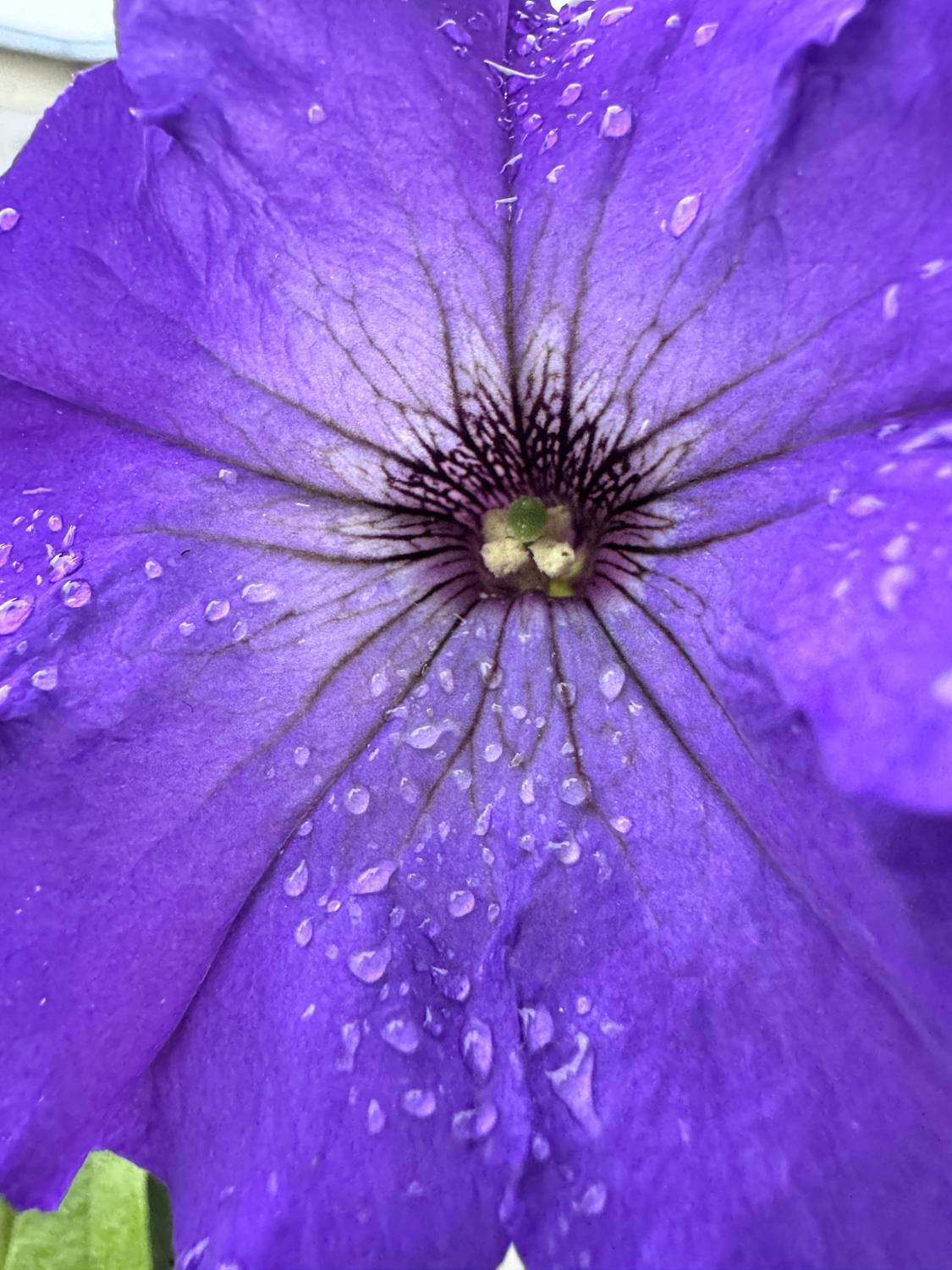
- Large, trumpet-shaped flowers with five fused petals.
- Diameter ranges from 2–5 inches (5–13 cm).
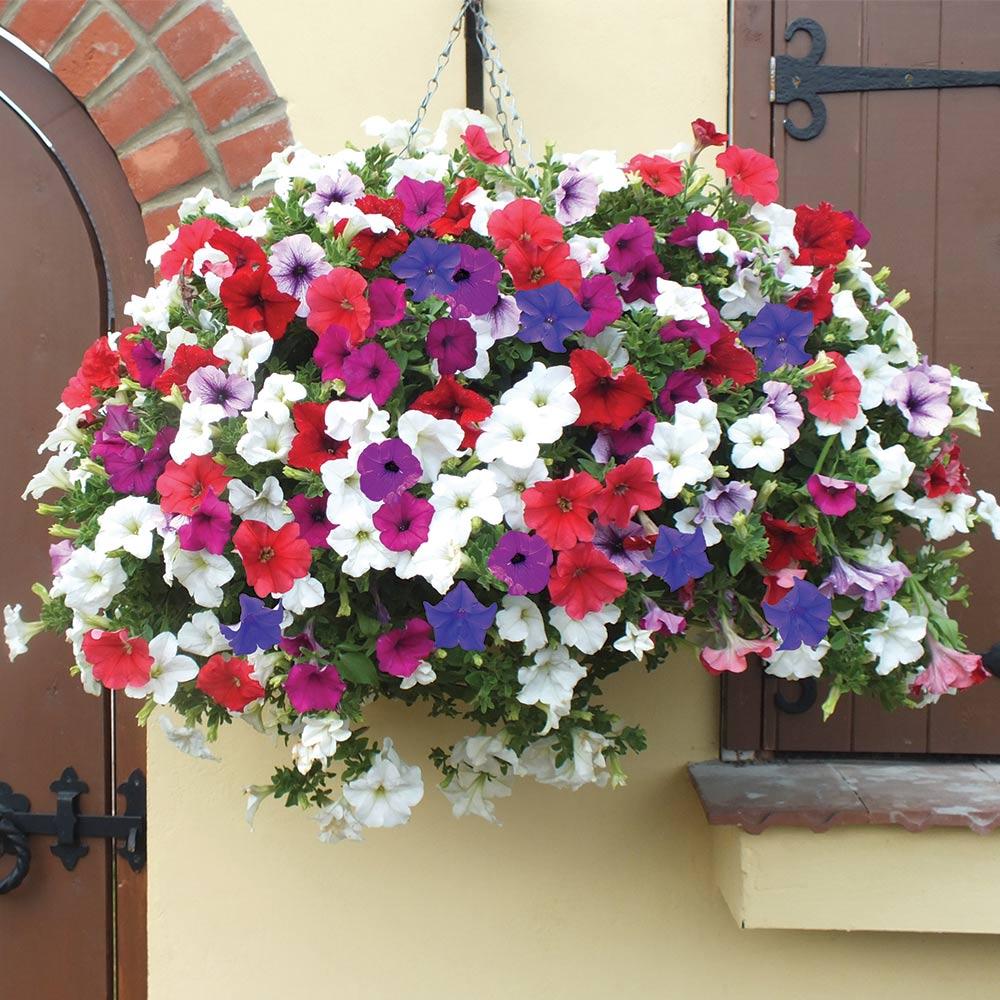
- Available in many colors, including:
- White
- Pink
- Red
- Purple
- Blue
- Yellow
- Lavender
- Burgundy
- Bi-colored and striped varieties
Fruits
- Small seed capsules containing numerous tiny seeds.
Propagation
Petunia is propagated by:
1. Seeds
- Most common method.
- Sow seeds on the surface of moist soil.
- Germination occurs within 7–14 days.
2. Stem Cuttings
- Used mainly for hybrid varieties.
- Rooting usually occurs within 2–3 weeks.
Landscape & Decorative Uses
Petunia is ideal for:
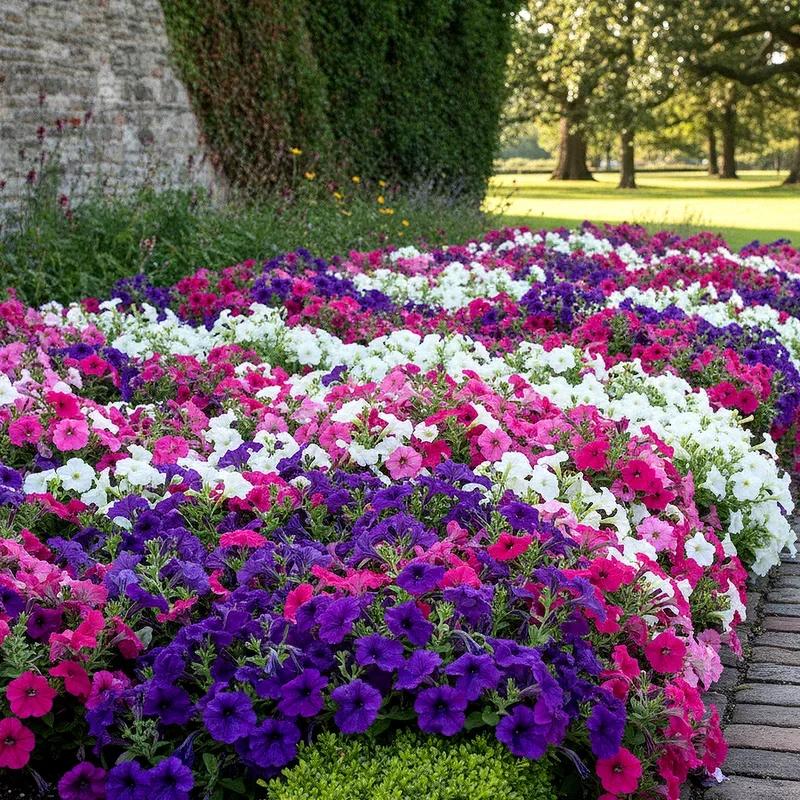
- Flower beds
- Borders
- Hanging baskets
- Window boxes
- Balcony gardens
- Containers
- Rock gardens
- Parks
- Public landscapes
- Terrace gardens
Common Problems
Aphids
Attack young shoots and flower buds.
Whiteflies
Feed on plant sap.
Spider Mites
Common during hot, dry weather.
Powdery Mildew
Occurs in humid conditions.
Root Rot
Caused by excessive watering or poor drainage.
Maintenance Tips
- Plant in full sunlight.
- Remove faded flowers (deadheading) to encourage continuous blooming.
- Water regularly but avoid overwatering.
- Fertilize every 2–3 weeks during the flowering season.
- Trim leggy stems to encourage bushier growth.
- Ensure good air circulation around plants.
- Protect from heavy frost and prolonged rainfall.
Lifespan
Petunias are usually grown as annuals, completing their life cycle in one growing season. In warm, frost-free climates, they may survive for 2–3 years with proper care.
Interesting Facts
- Petunias belong to the same plant family as tomatoes, potatoes, and peppers.
- There are hundreds of hybrid varieties available worldwide.
- They are among the most popular bedding plants due to their long blooming season.
- Petunias attract butterflies, bees, and hummingbirds with their nectar-rich flowers.
- Modern varieties are often self-cleaning and require little or no deadheading.
Growing Requirements
Sunlight
- Requires full sun.
- Needs 6–8 hours of direct sunlight daily for continuous flowering.
Temperature
- Ideal temperature: 18°C–30°C (64°F–86°F).
- Prefers cool to warm weather.
- Sensitive to frost and extreme heat.
Soil
- Well-drained, fertile soil rich in organic matter.
- Soil pH: 6.0–7.0.
- Good drainage is essential.
Watering
- Water regularly, especially during dry periods.
- Keep the soil evenly moist but not waterlogged.
- Allow the top layer of soil to dry slightly between waterings.
Fertilizer
Apply a balanced flowering fertilizer every 2–3 weeks during the blooming season.
Recommended nutrients:
- Nitrogen (N)
- Phosphorus (P)
- Potassium (K)
Growth Rate
- Fast-growing flowering plant.
- Begins flowering within 8–12 weeks after planting.