

Product
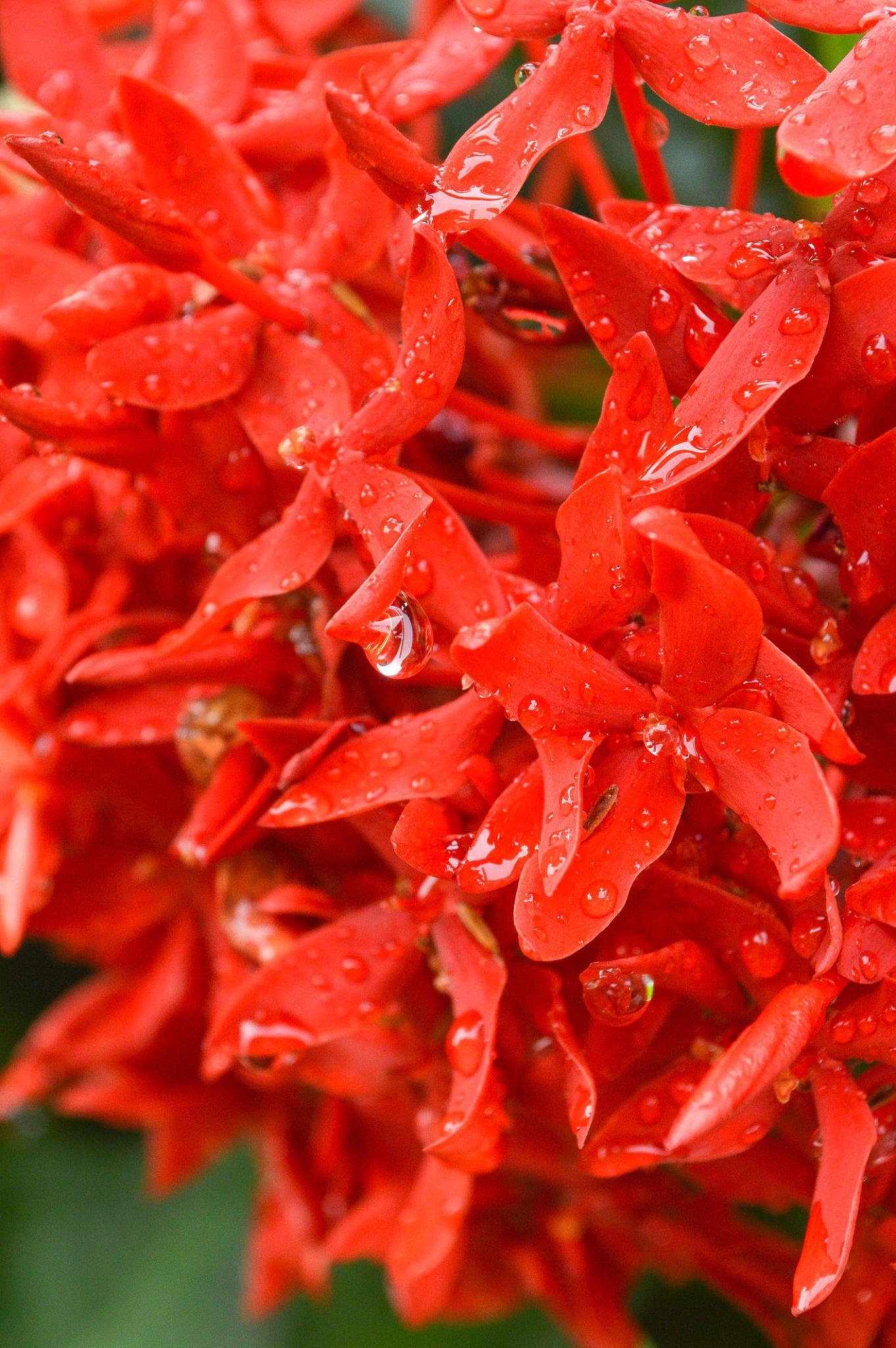
Ixora


Scientific Name: Ixora coccinea Common Name: Ixora, Jungle Geranium, Flame of the Woods, West Indian Jasmine Family: Rubiaceae Genus: Ixora Origin: Southern India, Sri Lanka, and Southeast Asia Plant Type: Evergreen flowering shrub
- SKU: PLANT4589
- CATEGORY: Home gardens
- TAGs: Air Purifying , Low Maintenance
Introduction
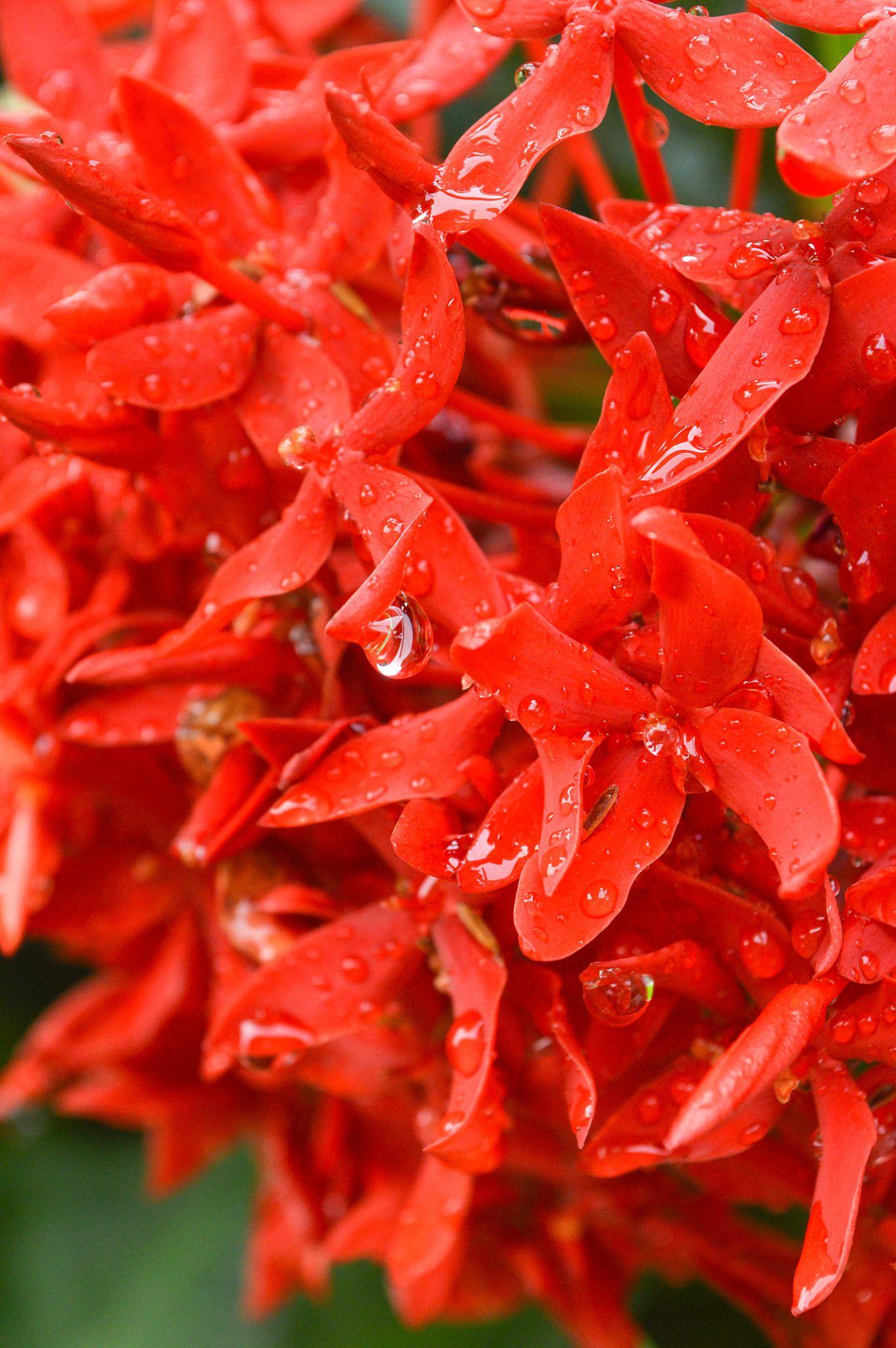
Ixora (Ixora coccinea) is a beautiful evergreen flowering shrub known for its dense clusters of small, star-shaped flowers and glossy green leaves. It is one of the most popular ornamental plants in tropical and subtropical regions due to its year-round blooming, vibrant flower colors, and low maintenance requirements.
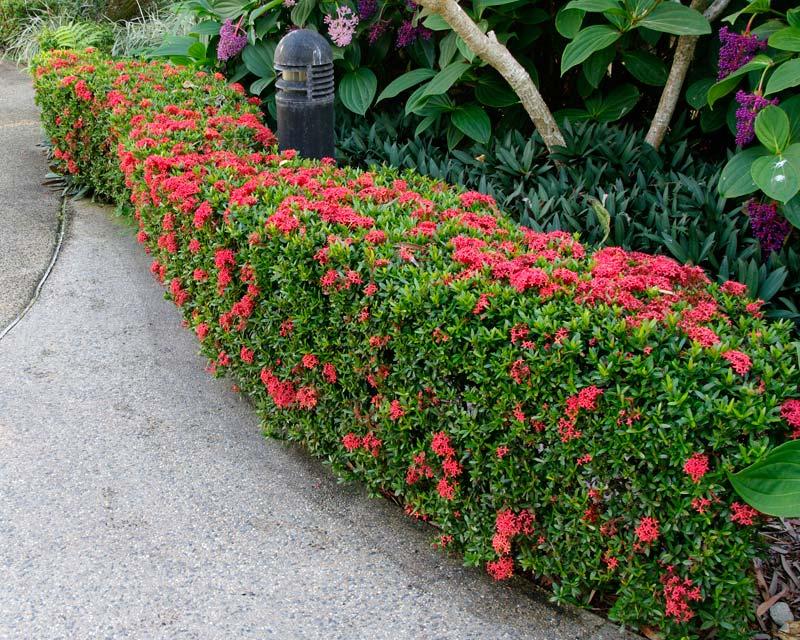
Ixora is commonly used in home gardens, parks, hotels, temples, roadside landscaping, and hedges. The flowers attract butterflies, bees, and other pollinators, making the plant valuable for biodiversity as well as ornamental beauty.
Physical Characteristics
Height
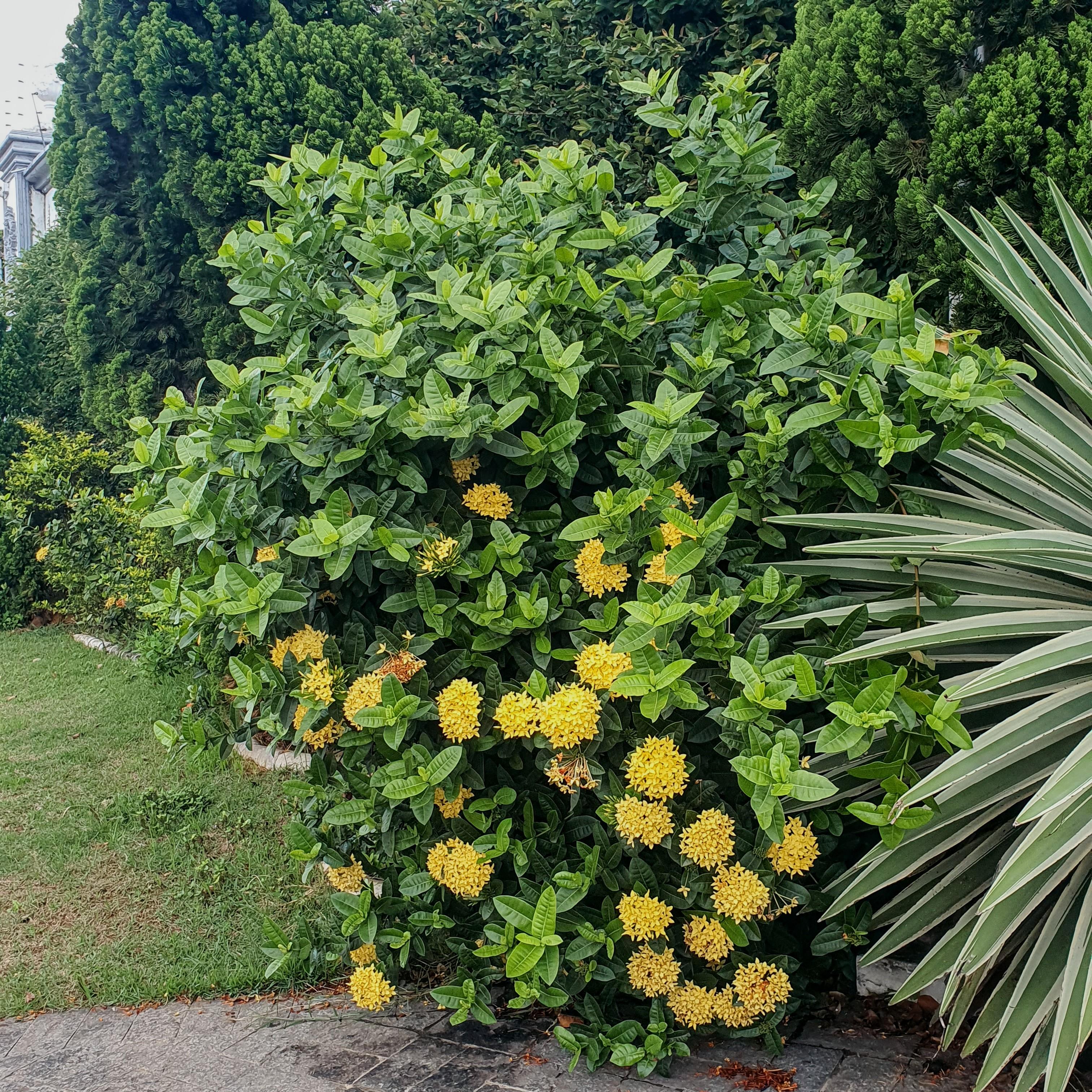
- Typically grows 3–6 feet (1–2 meters) tall.
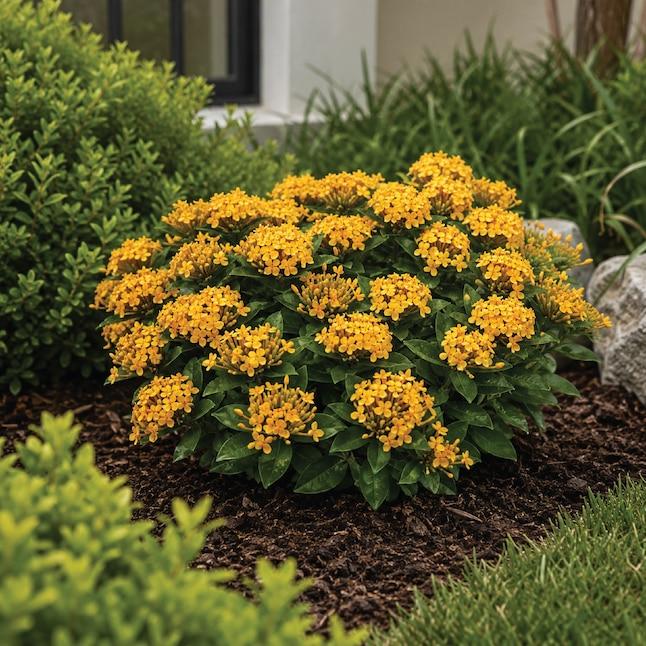
- Dwarf varieties grow 1–3 feet (30–90 cm).
- Larger varieties can reach 8–10 feet (2.5–3 meters).
Spread
- Spreads 3–5 feet (1–1.5 meters) wide.
- Forms a dense, rounded shrub.
Stem
- Woody, highly branched stems.
- Compact growth habit.
Leaves
- Dark green, glossy, leathery leaves.
- Oval to elliptical in shape.
- Leaves measure 2–6 inches (5–15 cm) long.
- Evergreen throughout the year.
Flowers
- Small tubular flowers with four petals.
- Produced in dense rounded clusters.
- Flower colors include:
- Red
- Orange
- Yellow
- Pink
- White
- Blooms almost throughout the year in warm climates.
Fruits
- Small round berries.
- Turn dark purple to black when ripe.
- Occasionally produced after flowering.
Propagation
Ixora is propagated by:
1. Stem Cuttings
- The most common method.
- Take healthy semi-hardwood cuttings.
- Rooting occurs in 4–8 weeks.
2. Seeds
- Less commonly used.
- Mainly for breeding and research.
Landscape & Decorative Uses
Ixora is ideal for:
- Home gardens
- Flower beds
- Hedges
- Borders
- Parks
- Hotels and resorts
- Temple gardens
- Balcony gardens
- Container planting
- Butterfly gardens
- Tropical landscapes
Common Problems
Aphids
Attack new shoots and flower buds.
Mealybugs
May infest stems and leaves.
Scale Insects
Can weaken plant growth.
Leaf Spot
Occurs in humid conditions.
Chlorosis
Yellowing of leaves due to iron deficiency in alkaline soils.
Maintenance Tips
- Plant in a sunny or partially shaded location.
- Keep the soil consistently moist but not waterlogged.
- Prune lightly after flowering to maintain shape.
- Fertilize regularly to encourage continuous blooming.
- Remove faded flower clusters.
- Monitor for pests and treat promptly.
- Apply organic mulch to conserve moisture and improve soil health.
Lifespan
With proper care, Ixora plants can live for 20–30 years or more, producing attractive flowers throughout much of the year.
Interesting Facts
- Ixora belongs to the coffee family (Rubiaceae).
- Its nectar-rich flowers are highly attractive to butterflies and bees.
- It is one of the most popular flowering hedge plants in tropical countries.
- Dwarf varieties are excellent for container gardening and borders.
- The plant is widely used in traditional gardens because of its long flowering season and colorful blooms.
Introduction
Ixora (Ixora coccinea) is a beautiful evergreen flowering shrub known for its dense clusters of small, star-shaped flowers and glossy green leaves. It is one of the most popular ornamental plants in tropical and subtropical regions due to its year-round blooming, vibrant flower colors, and low maintenance requirements.
Ixora is commonly used in home gardens, parks, hotels, temples, roadside landscaping, and hedges. The flowers attract butterflies, bees, and other pollinators, making the plant valuable for biodiversity as well as ornamental beauty.
Physical Characteristics
Height
- Typically grows 3–6 feet (1–2 meters) tall.
- Dwarf varieties grow 1–3 feet (30–90 cm).
- Larger varieties can reach 8–10 feet (2.5–3 meters).
Spread
- Spreads 3–5 feet (1–1.5 meters) wide.
- Forms a dense, rounded shrub.
Stem
- Woody, highly branched stems.
- Compact growth habit.
Leaves
- Dark green, glossy, leathery leaves.
- Oval to elliptical in shape.
- Leaves measure 2–6 inches (5–15 cm) long.
- Evergreen throughout the year.
Flowers
- Small tubular flowers with four petals.
- Produced in dense rounded clusters.
- Flower colors include:
- Red
- Orange
- Yellow
- Pink
- White
- Blooms almost throughout the year in warm climates.
Fruits
- Small round berries.
- Turn dark purple to black when ripe.
- Occasionally produced after flowering.
Growing Requirements
Sunlight
- Prefers full sun to partial shade.
- Requires 5–6 hours of sunlight daily for abundant flowering.
Temperature
- Ideal temperature: 20°C–35°C (68°F–95°F).
- Sensitive to frost.
- Best suited for tropical and subtropical climates.
Soil
- Well-drained, fertile, slightly acidic soil.
- Soil pH: 5.0–6.5.
- Rich organic matter promotes healthy growth.
Watering
- Water regularly to keep the soil evenly moist.
- Avoid waterlogging.
- Water more frequently during hot weather.
Fertilizer
Apply a balanced flowering plant fertilizer every 6–8 weeks during the growing season.
Recommended nutrients:
- Nitrogen (N)
- Phosphorus (P)
- Potassium (K)
- Micronutrients such as Iron (Fe) and Magnesium (Mg)
Growth Rate
- Moderate-growing shrub.
- Typically grows 1–2 feet (30–60 cm) per year under favorable conditions.
Propagation
Ixora is propagated by:
1. Stem Cuttings
- The most common method.
- Take healthy semi-hardwood cuttings.
- Rooting occurs in 4–8 weeks.
2. Seeds
- Less commonly used.
- Mainly for breeding and research.
Landscape & Decorative Uses
Ixora is ideal for:
- Home gardens
- Flower beds
- Hedges
- Borders
- Parks
- Hotels and resorts
- Temple gardens
- Balcony gardens
- Container planting
- Butterfly gardens
- Tropical landscapes
Advantages
- Produces colorful flowers almost year-round.
- Evergreen foliage.
- Excellent hedge plant.
- Attracts butterflies and bees.
- Low maintenance.
- Suitable for containers and landscapes.
- Tolerates regular pruning.
- Enhances garden aesthetics.
Common Problems
Aphids
Attack new shoots and flower buds.
Mealybugs
May infest stems and leaves.
Scale Insects
Can weaken plant growth.
Leaf Spot
Occurs in humid conditions.
Chlorosis
Yellowing of leaves due to iron deficiency in alkaline soils.
Maintenance Tips
- Plant in a sunny or partially shaded location.
- Keep the soil consistently moist but not waterlogged.
- Prune lightly after flowering to maintain shape.
- Fertilize regularly to encourage continuous blooming.
- Remove faded flower clusters.
- Monitor for pests and treat promptly.
- Apply organic mulch to conserve moisture and improve soil health.
Lifespan
With proper care, Ixora plants can live for 20–30 years or more, producing attractive flowers throughout much of the year.
Interesting Facts
- Ixora belongs to the coffee family (Rubiaceae).
- Its nectar-rich flowers are highly attractive to butterflies and bees.
- It is one of the most popular flowering hedge plants in tropical countries.
- Dwarf varieties are excellent for container gardening and borders.
- The plant is widely used in traditional gardens because of its long flowering season and colorful blooms.