

Product
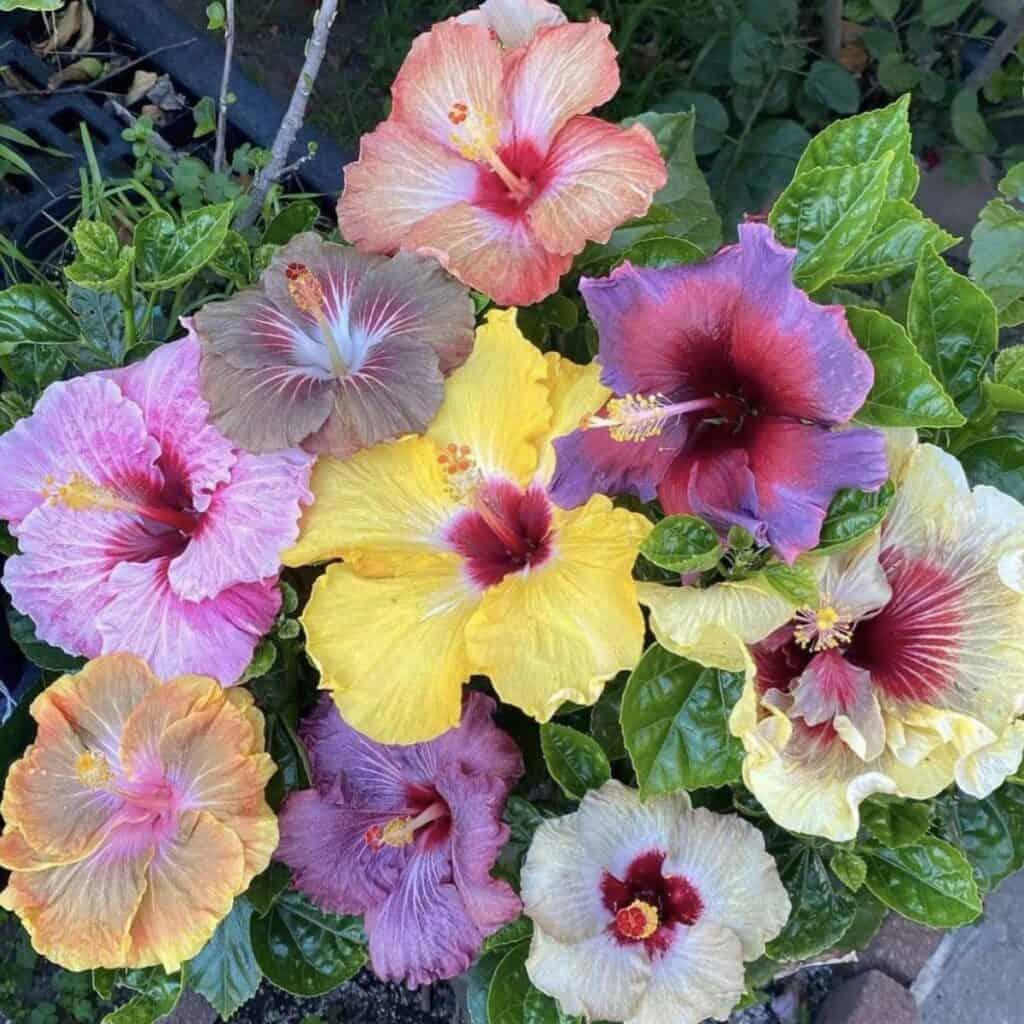
Hibiscus


Scientific Name: Hibiscus rosa-sinensis Common Name: Hibiscus, Chinese Hibiscus, China Rose, Shoe Flower Family: Malvaceae Genus: Hibiscus Origin: East Asia (widely cultivated throughout tropical and subtropical regions) Plant Type: Evergreen flowering shrub
- SKU: PLANT4589
- CATEGORY: Home gardens
- TAGs: Air Purifying , Low Maintenance
Introduction
Hibiscus (Hibiscus rosa-sinensis) is one of the world's most popular ornamental flowering shrubs, admired for its large, colorful, trumpet-shaped flowers and glossy green foliage. It is widely grown in home gardens, parks, hotels, temples, and landscapes because of its long flowering season and easy maintenance.
Hibiscus flowers come in a wide range of colors, including red, pink, yellow, orange, white, peach, and purple, with both single and double flower varieties available.
Physical Characteristics
Height
- Typically grows 4–10 feet (1.2–3 meters) tall.
- Can be pruned to maintain a smaller size.
Spread
- Spreads 3–8 feet (1–2.5 meters) wide.
Stem
- Woody, branched stems with smooth gray-brown bark.
Leaves
- Dark green, glossy, oval-shaped leaves.
- Margins are toothed (serrated).
- Leaves measure 3–6 inches (8–15 cm) long.
Flowers
- Large trumpet-shaped flowers.
- Diameter ranges from 4–8 inches (10–20 cm).
- Available in:
- Red
- Pink
- Yellow
- White
- Orange
- Peach
- Purple
- Bi-colored varieties
- Flowers usually last one day, but the plant blooms continuously during the flowering season.
Fruits
- Most ornamental varieties produce very little or no seed.
- Some species produce seed capsules.
Propagation
Hibiscus is propagated by:
1. Stem Cuttings
- Most common and easiest method.
- Take healthy semi-hardwood cuttings.
- Plant in moist potting mix.
- Rooting occurs within 4–8 weeks.
2. Seeds
- Used mainly for breeding new varieties.
- Germination takes 2–4 weeks under warm conditions.
3. Grafting
- Used commercially to produce improved cultivars.
Landscape & Decorative Uses
Hibiscus is ideal for:
- Home gardens
- Flower beds
- Hedges
- Parks
- Hotels and resorts
- Temple gardens
- Balcony gardens
- Container planting
- Butterfly gardens
- Tropical landscapes
Medicinal & Cultural Uses
- Flowers are used in traditional herbal remedies.
- Widely used in herbal teas in some countries.
- Petals are used in natural hair care products.
- Commonly offered in religious ceremonies, especially in Hindu temples.
- Attracts butterflies, bees, and other pollinators.
Common Problems
Aphids
Attack young shoots and flower buds.
Whiteflies
Feed on leaves and weaken the plant.
Spider Mites
Common during hot, dry weather.
Mealybugs
Can infest stems and leaves.
Leaf Spot
Occurs in humid conditions.
Bud Drop
May result from irregular watering, poor nutrition, or sudden environmental changes.
Maintenance Tips
- Plant in full sunlight.
- Water consistently but avoid waterlogging.
- Fertilize regularly during the growing season.
- Prune after flowering to encourage bushy growth.
- Remove faded flowers and dead branches.
- Monitor for pests and treat promptly if needed.
- Apply mulch to help retain soil moisture.
Lifespan
With proper care, Hibiscus plants can live for 20–30 years or more, producing abundant flowers each year.
Interesting Facts
- Hibiscus is the national flower of Malaysia, where it is known as Bunga Raya.
- There are over 200 species of Hibiscus found around the world.
- Hibiscus flowers attract hummingbirds, butterflies, and bees.
- The flowers are edible and are used in teas, jams, and garnishes in some cultures.
- Hibiscus is one of the most popular flowering shrubs in tropical and subtropical gardens.
Growing Requirements
Sunlight
- Prefers full sun.
- Requires 6–8 hours of direct sunlight daily for abundant flowering.
Temperature
- Ideal temperature: 20°C–35°C (68°F–95°F).
- Sensitive to frost.
- Best suited for tropical and subtropical climates.
Soil
- Well-drained, fertile loamy soil.
- Soil pH: 6.0–7.0.
- Rich organic matter encourages better flowering.
Watering
- Water regularly to keep the soil evenly moist.
- Avoid waterlogging.
- Reduce watering slightly during winter.
Fertilizer
Feed every 4–6 weeks during the growing season using a balanced fertilizer rich in:
- Nitrogen (N)
- Phosphorus (P)
- Potassium (K)
Growth Rate
- Fast-growing shrub.
- Typically grows 1–2 feet (30–60 cm) per year under favorable conditions.