

Product
Echeveria


Scientific Name: Echeveria spp. Common Name: Echeveria, Mexican Rose Succulent, Hens and Chicks (some varieties) Family: Crassulaceae Genus: Echeveria Origin: Mexico, Central America, and parts of South America Plant Type: Evergreen succulent
- SKU: PLANT4589
- CATEGORY: Succulents
- TAGs: Air Purifying , Low Maintenance
Introduction
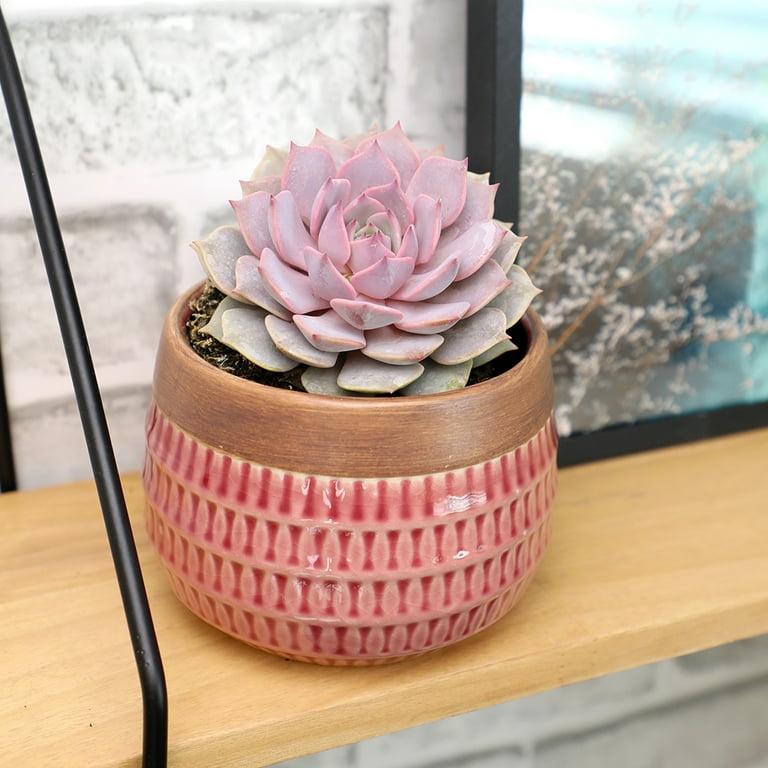
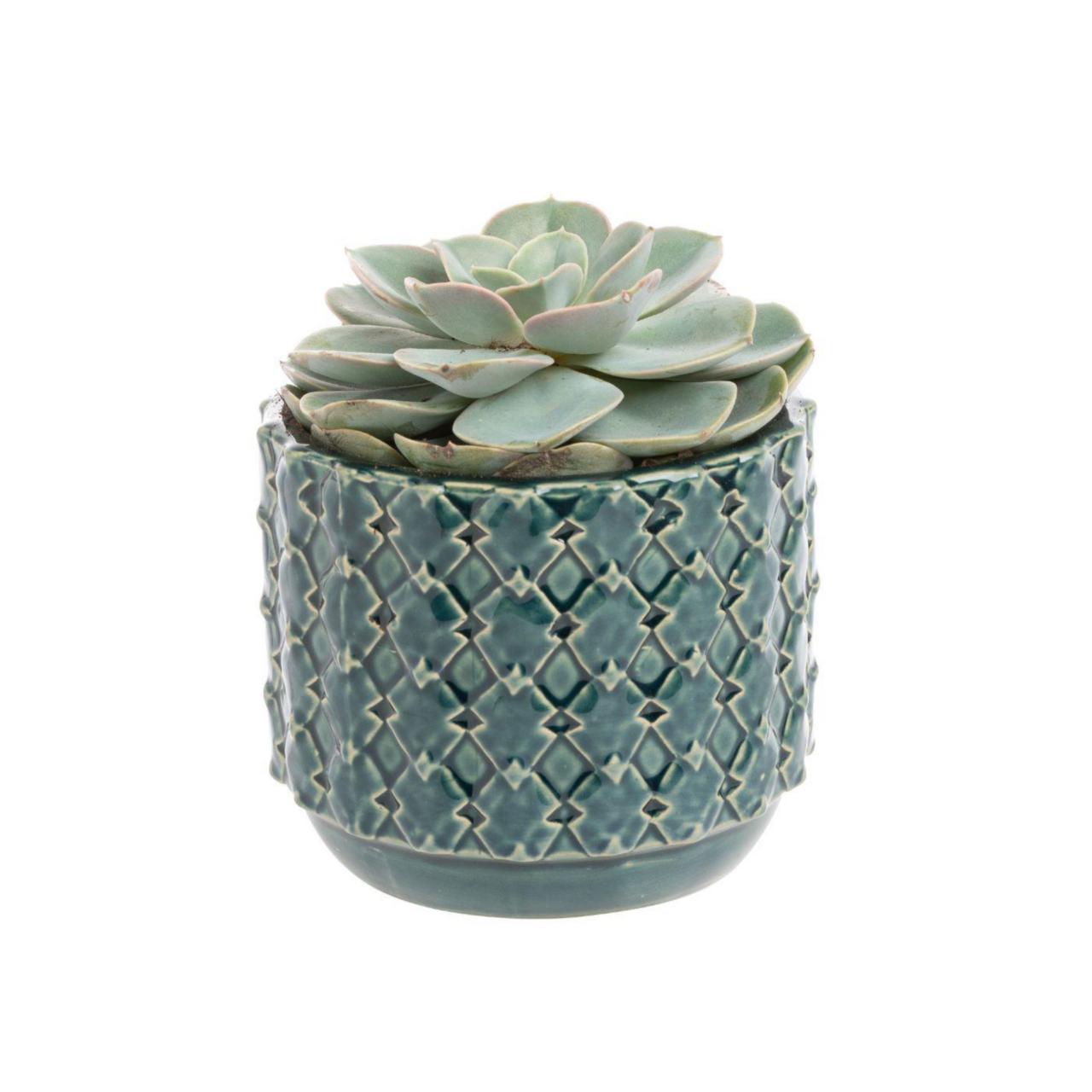
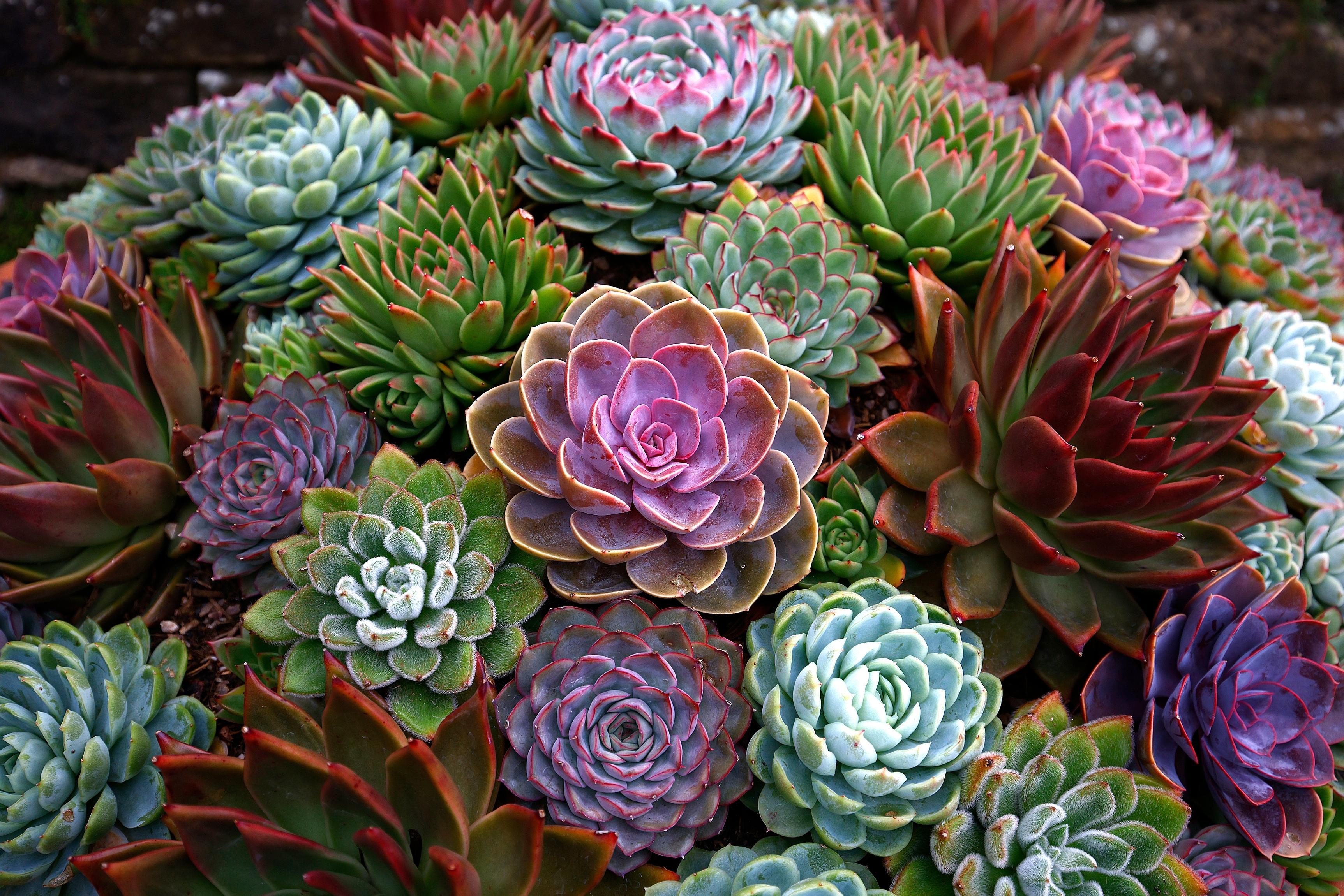
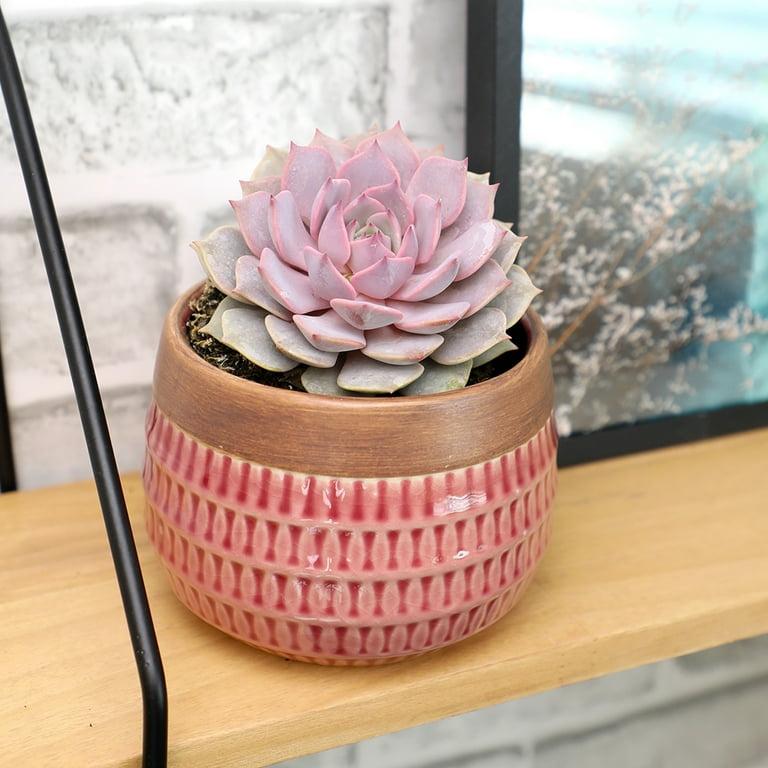
Echeveria is a genus of beautiful evergreen succulent plants admired for their symmetrical rosette-shaped leaves and vibrant colors. These low-maintenance plants are among the most popular succulents for indoor decoration, rock gardens, container gardening, and landscaping. Their attractive appearance and wide variety of shapes and colors make them favorites among gardeners and succulent collectors.
Physical Characteristics
Height
- Typically grows 4–12 inches (10–30 cm) tall.
- Most varieties remain compact.
Spread
- Can spread 6–12 inches (15–30 cm) wide.
- Produces offsets that form attractive clusters.
Stem
- Short, fleshy stem.
- Some varieties become slightly woody with age.
Leaves
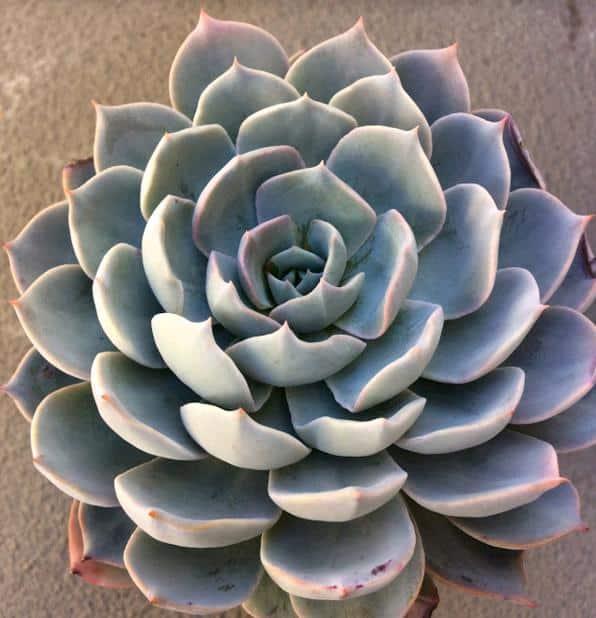
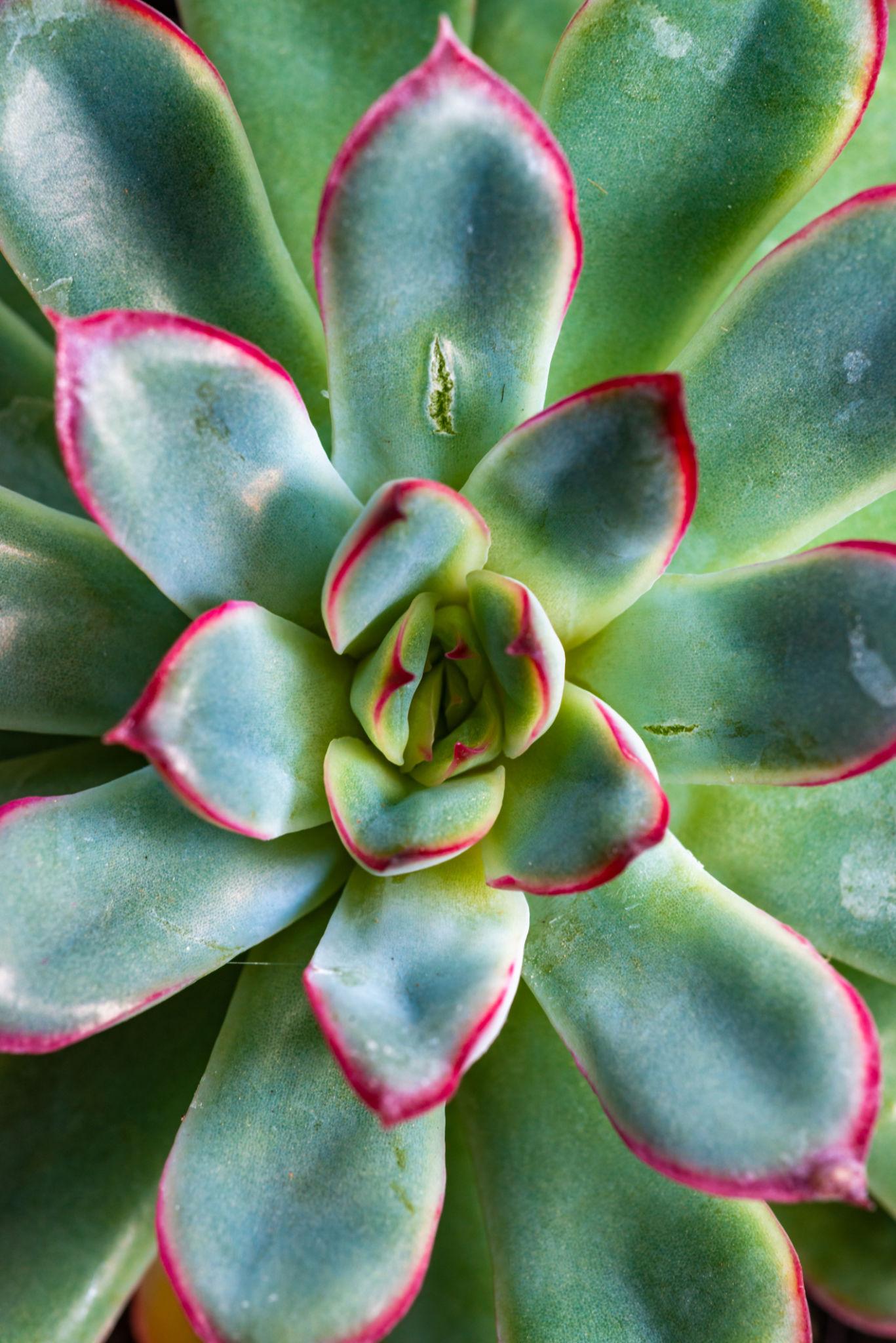
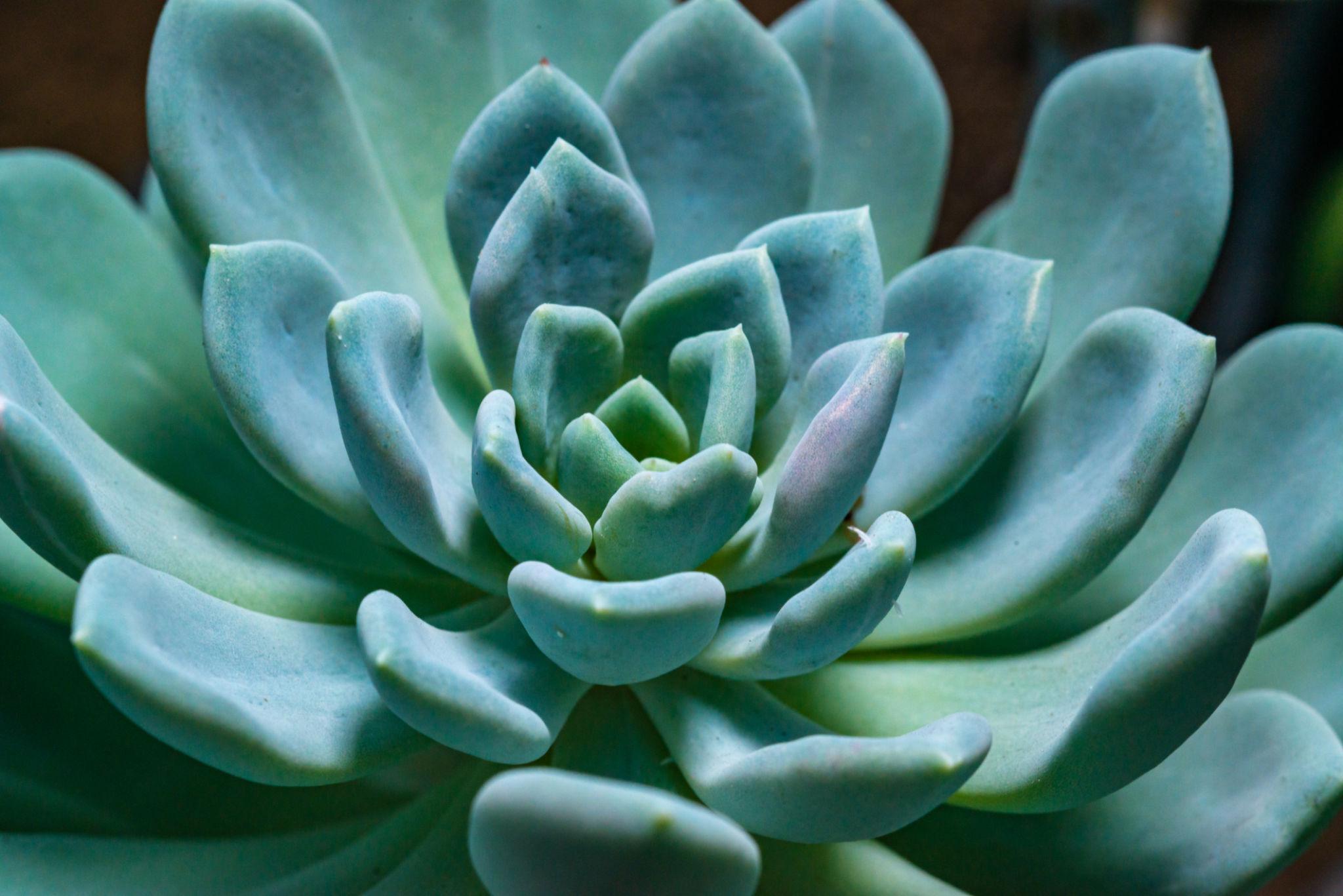
- Thick, fleshy, spoon-shaped leaves.
- Arranged in a perfect rosette.
- Colors include:
- Green
- Blue-green
- Gray
- Pink
- Purple
- Red
- Silver
- Many varieties develop colorful edges in bright sunlight.
Flowers
- Bell-shaped flowers.
- Colors include:
- Yellow
- Orange
- Pink
- Red
- Bloom on tall flower stalks during spring and summer.
Propagation
Echeveria can be propagated by:
1. Leaf Cuttings
- Remove a healthy leaf.
- Allow it to dry for 1–2 days.
- Place on moist succulent soil.
- New roots and baby plants develop within a few weeks.
2. Offsets
- Separate small rosettes from the mother plant.
- Plant directly in well-drained soil.
3. Stem Cuttings
- Cut a healthy stem.
- Allow it to dry before planting.
- Roots develop within 2–4 weeks.
Landscape & Decorative Uses
Echeveria is perfect for:
- Indoor decoration
- Balcony gardens
- Rock gardens
- Succulent arrangements
- Fairy gardens
- Terrariums (open type)
- Decorative pots
- Office desks
- Wedding decorations
- Vertical gardens
Common Problems
Root Rot
Caused by overwatering or poor drainage.
Mealybugs
Can hide between leaves.
Aphids
Sometimes attack flower stalks.
Powdery Mildew
Occurs in humid conditions with poor air circulation.
Leaf Drop
May result from overwatering or sudden environmental changes.
Maintenance Tips
- Plant in well-drained succulent soil.
- Water only when the soil is dry.
- Provide bright light for healthy growth and vibrant color.
- Remove dried leaves from the base regularly.
- Repot every 2–3 years.
- Protect from frost and prolonged rainfall.
- Ensure good air circulation around the plant.
Lifespan
With proper care, Echeveria plants can live for 5–15 years or more, while continuously producing new offsets.
Interesting Facts
- The genus Echeveria is named after the Mexican botanical artist Atanasio Echeverría y Godoy.
- There are over 150 recognized species and hundreds of hybrids and cultivars.
- Many varieties change color depending on sunlight and temperature.
- Echeverias are among the most popular succulents used in modern landscape design.
- Their rosette shape resembles a blooming flower, making them highly decorative.
Growing Requirements
Sunlight
- Prefers full sun to bright indirect light.
- Requires 4–6 hours of sunlight daily.
- Bright light enhances leaf color.
Temperature
- Ideal temperature: 18°C–30°C (64°F–86°F).
- Sensitive to frost.
- Best suited for warm climates.
Soil
- Well-drained cactus or succulent potting mix.
- Soil pH: 6.0–7.0.
- Good drainage is essential.
Watering
- Water deeply but infrequently.
- Allow soil to dry completely before watering again.
- Reduce watering during winter.
Fertilizer
- Feed lightly 2–3 times during the growing season.
- Use diluted cactus or succulent fertilizer.
Growth Rate
- Slow to moderate-growing succulent.
- Produces new leaves and offsets during the growing season.