

Product
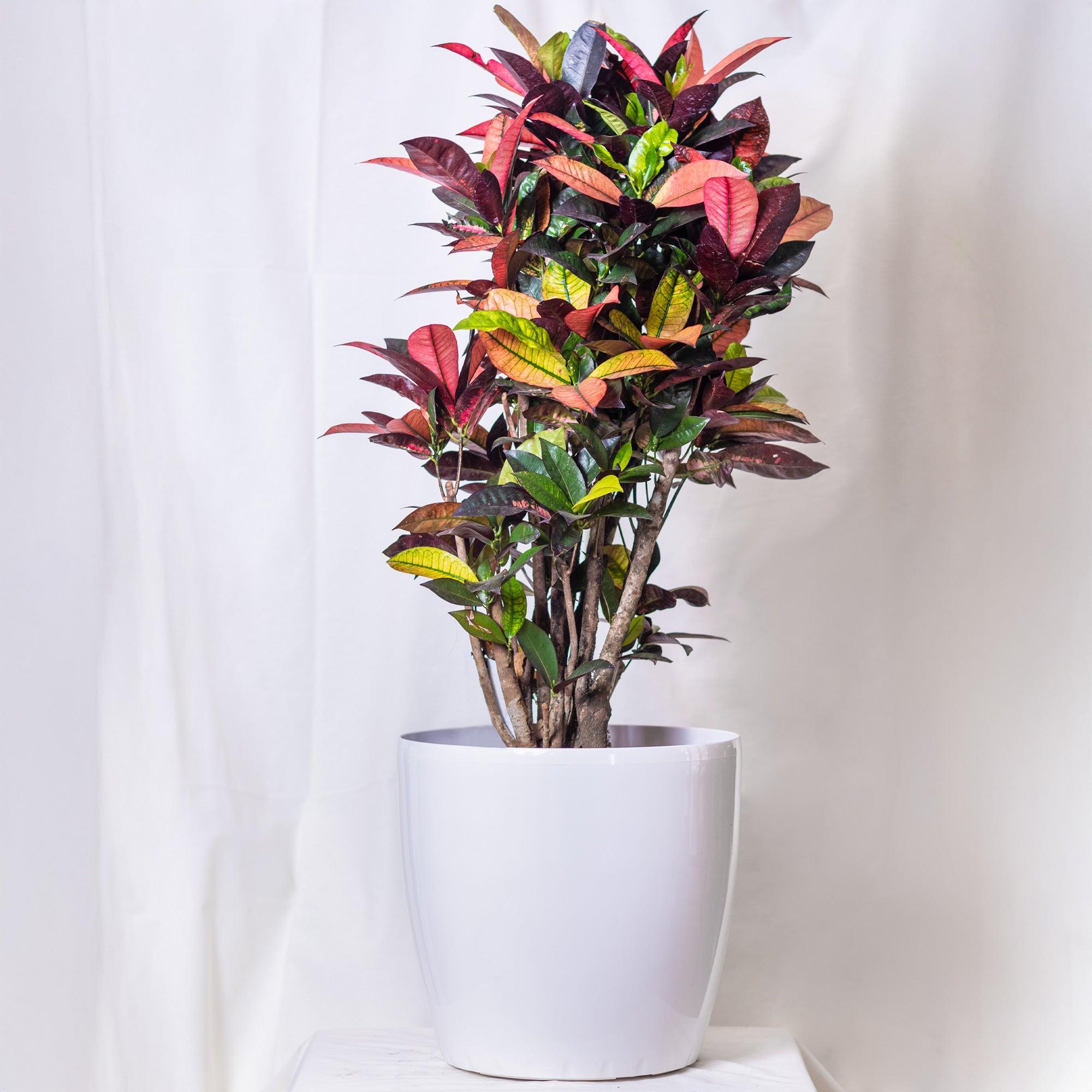
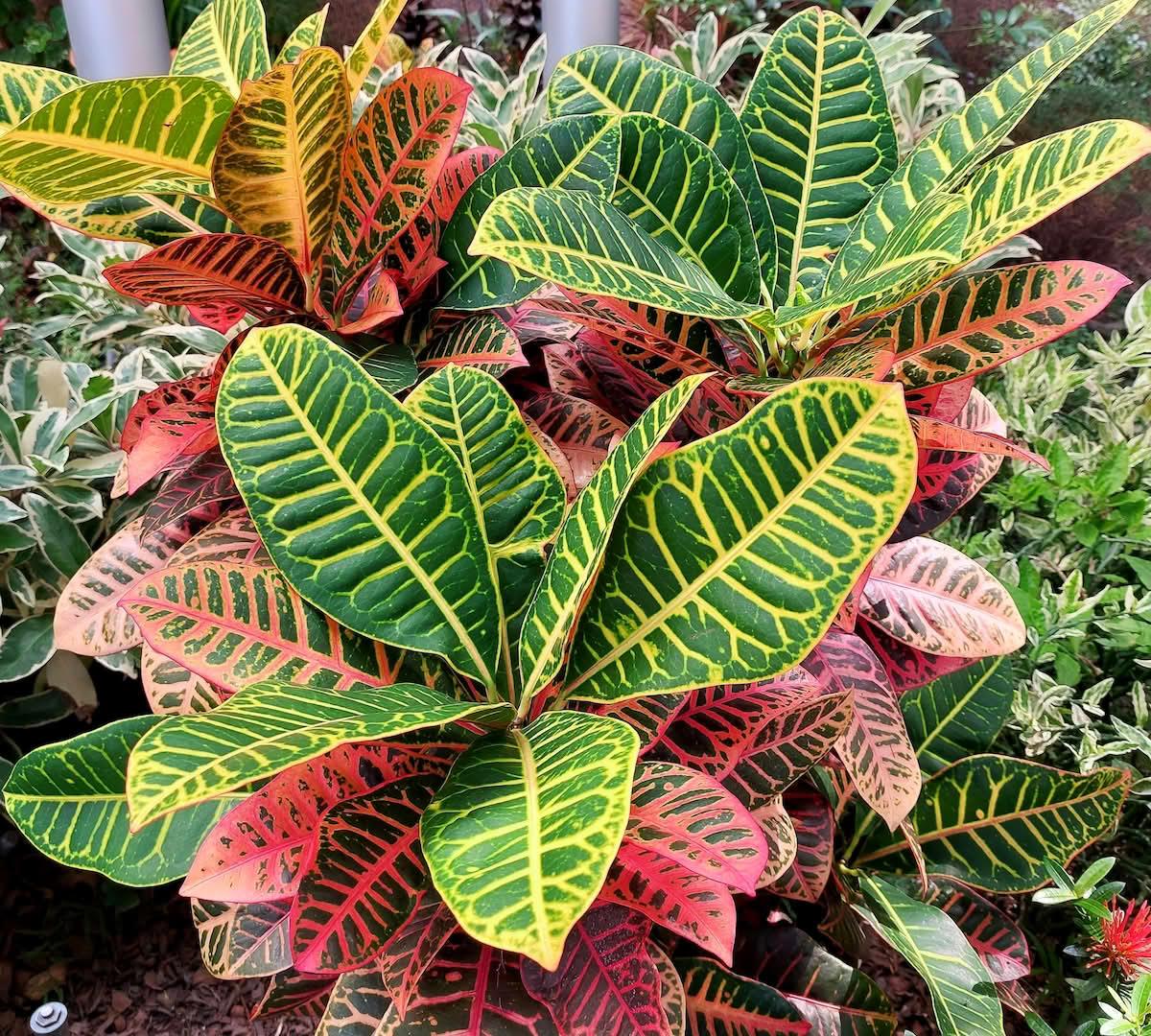
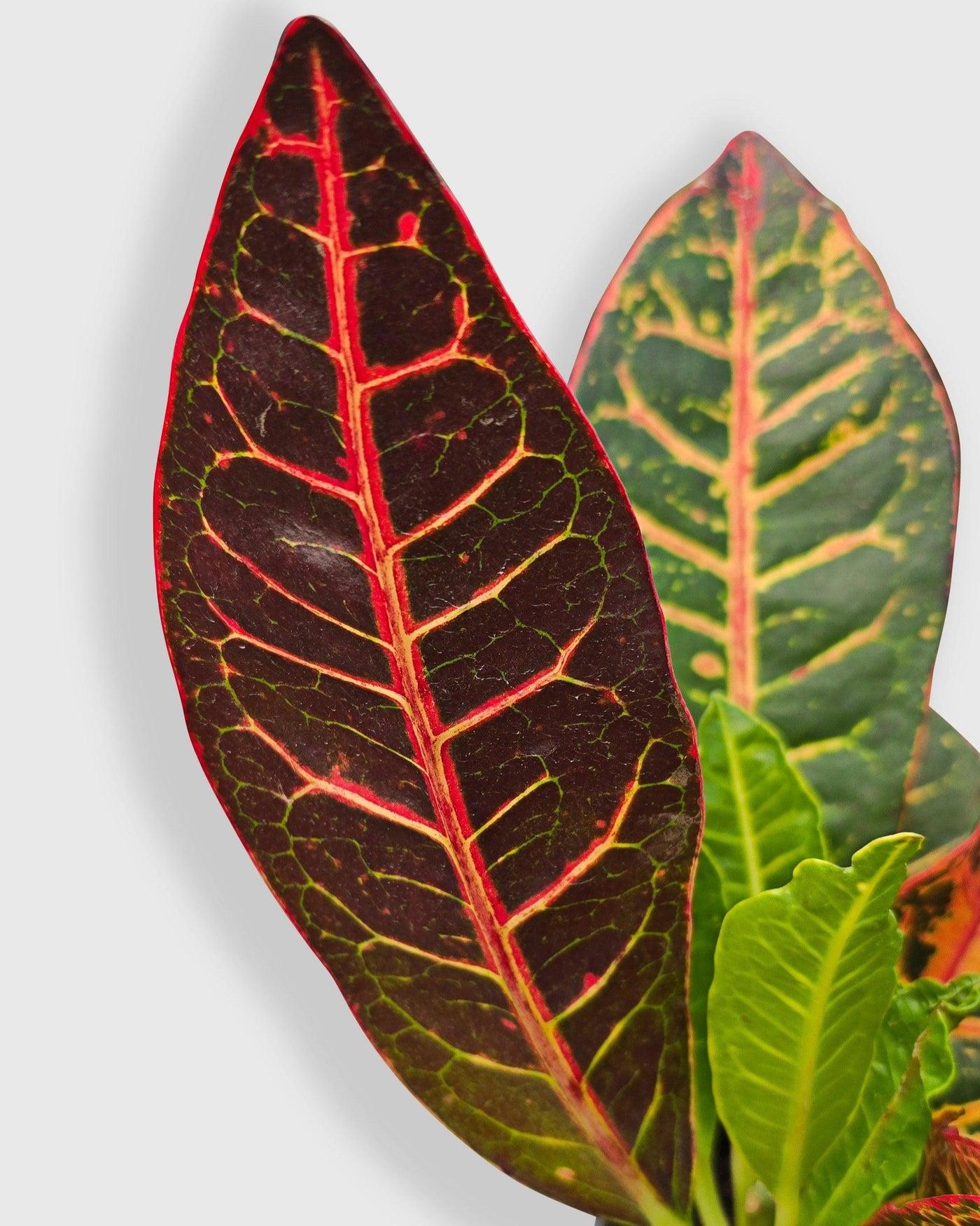
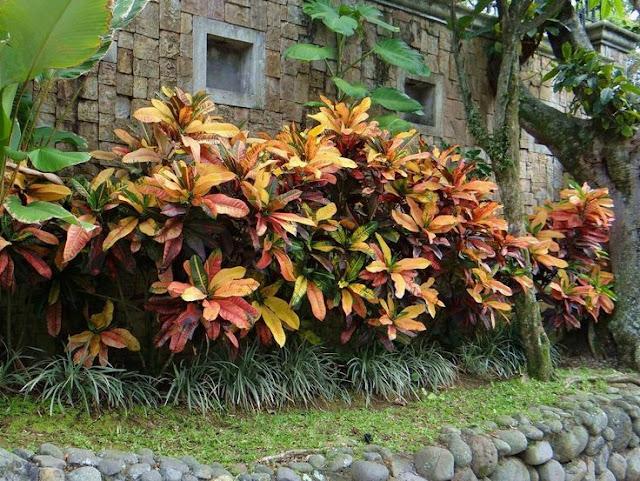
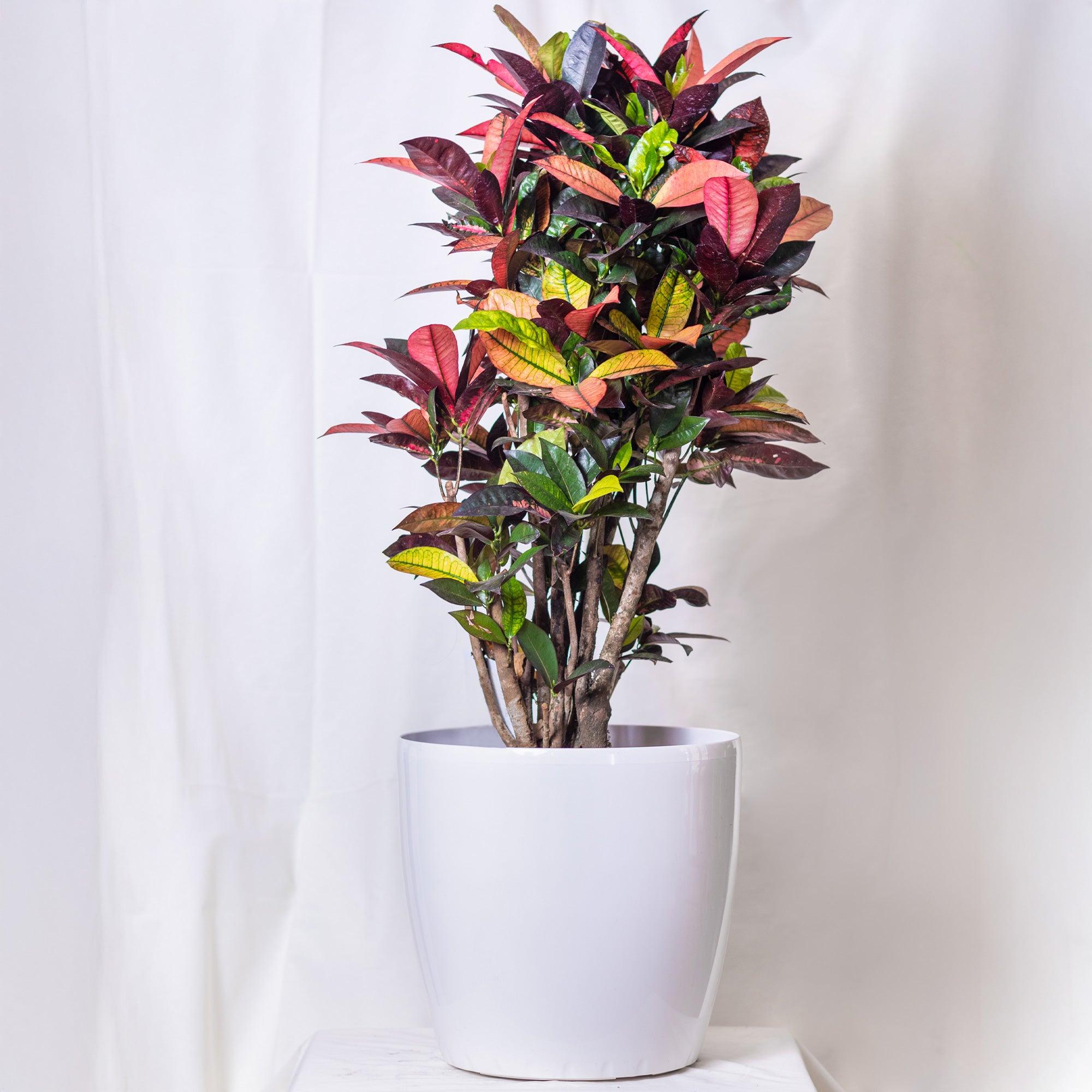
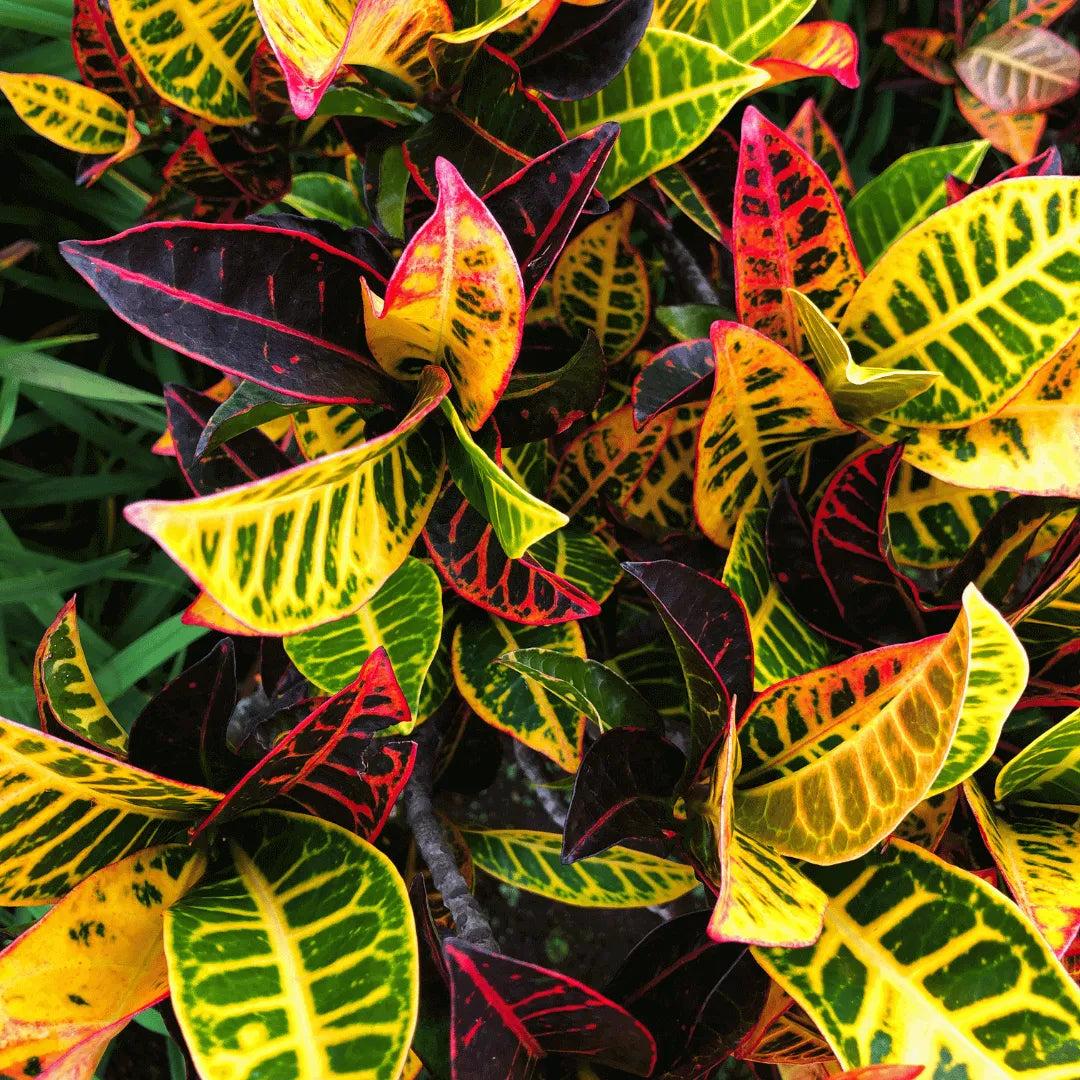
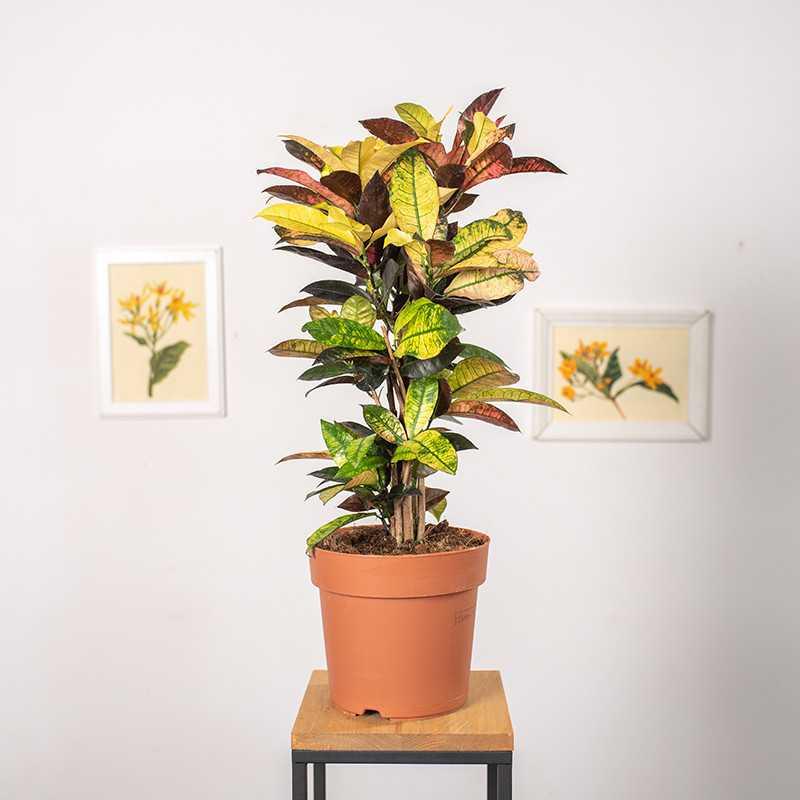
Crotons


Scientific Name: Codiaeum variegatum Common Name: Croton, Garden Croton Family: Euphorbiaceae Genus: Codiaeum Origin: Malaysia, Indonesia, Australia, and the Pacific Islands Plant Type: Evergreen ornamental foliage shrub
- SKU: PLANT4589
- CATEGORY: Home gardens
- TAGs: Air Purifying , Low Maintenance
Introduction
Crotons (Codiaeum variegatum) are among the most colorful ornamental foliage plants in the world. They are prized for their vibrant leaves, which display stunning combinations of green, yellow, orange, red, pink, purple, and bronze. Their bold colors and diverse leaf shapes make them a favorite choice for gardens, landscapes, offices, hotels, and indoor decoration.
Crotons are grown mainly for their attractive foliage rather than their flowers and are widely used to add year-round color to tropical and subtropical landscapes.
Physical Characteristics
Height
- Typically grows 3–10 feet (1–3 meters) tall.
- Indoor plants usually remain 2–4 feet (60–120 cm).
Spread
- Spreads 2–6 feet (60 cm–1.8 meters) wide.
Stem
- Woody, upright, and highly branched.
- Produces dense, bushy growth.
Leaves
- Thick, glossy, leathery leaves.
- Leaf shapes vary by variety:
- Broad
- Narrow
- Oval
- Twisted
- Lobed
- Curled
- Colors include:
- Green
- Yellow
- Orange
- Red
- Pink
- Purple
- Bronze
- Multicolored patterns
Flowers
- Small, creamy-white flowers.
- Grow in slender clusters.
- Ornamental value is minimal compared to the colorful foliage.
Fruits
- Small seed capsules produced occasionally on mature plants.
Propagation
Crotons are propagated by:
1. Stem Cuttings
- The easiest and most common method.
- Take healthy semi-hardwood cuttings.
- Use rooting hormone if available.
- Rooting occurs within 4–6 weeks.
2. Air Layering
- Suitable for larger plants.
- Produces mature plants more quickly.
Landscape & Decorative Uses
Crotons are ideal for:
- Home gardens
- Parks
- Hotels and resorts
- Office decoration
- Balcony gardens
- Container planting
- Hedges
- Borders
- Tropical landscapes
- Indoor decoration
Common Problems
Mealybugs
Attack stems and leaves.
Scale Insects
Feed on plant sap.
Spider Mites
Common in hot, dry conditions.
Leaf Drop
Can occur due to sudden temperature changes, low light, or overwatering.
Root Rot
Caused by excessive watering or poor drainage.
Maintenance Tips
- Plant in bright light for the best leaf color.
- Water regularly but avoid waterlogging.
- Fertilize during the growing season.
- Prune lightly to encourage bushy growth.
- Clean leaves to remove dust.
- Protect from cold winds and frost.
- Monitor regularly for pests.
Lifespan
With proper care, Crotons can live for 20–50 years or more, maintaining their colorful foliage throughout the year.
Interesting Facts
- Crotons are grown primarily for their spectacular foliage rather than their flowers.
- There are hundreds of cultivars, each with unique leaf shapes and color combinations.
- The intensity of leaf color increases with adequate sunlight.
- Crotons are popular in tropical landscaping because they provide vibrant color all year.
- The milky sap of the plant may cause skin irritation and is toxic if ingested, so care should be taken around children and pets.
Growing Requirements
Sunlight
- Prefers bright indirect light to full sun.
- 4–6 hours of sunlight daily enhances leaf color.
- Indoor plants should be placed near a bright window.
Temperature
- Ideal temperature: 20°C–32°C (68°F–90°F).
- Sensitive to cold.
- Protect from temperatures below 15°C (59°F).
Soil
- Well-drained, fertile soil rich in organic matter.
- Soil pH: 6.0–7.0.
- Avoid waterlogged soil.
Watering
- Keep the soil evenly moist but not soggy.
- Water when the top inch of soil feels dry.
- Reduce watering slightly during winter.
Fertilizer
Feed every 4–6 weeks during the growing season with a balanced fertilizer containing:
- Nitrogen (N)
- Phosphorus (P)
- Potassium (K)
Growth Rate
- Moderate-growing shrub.
- Typically grows 1–2 feet (30–60 cm) per year under favorable conditions.