

Product
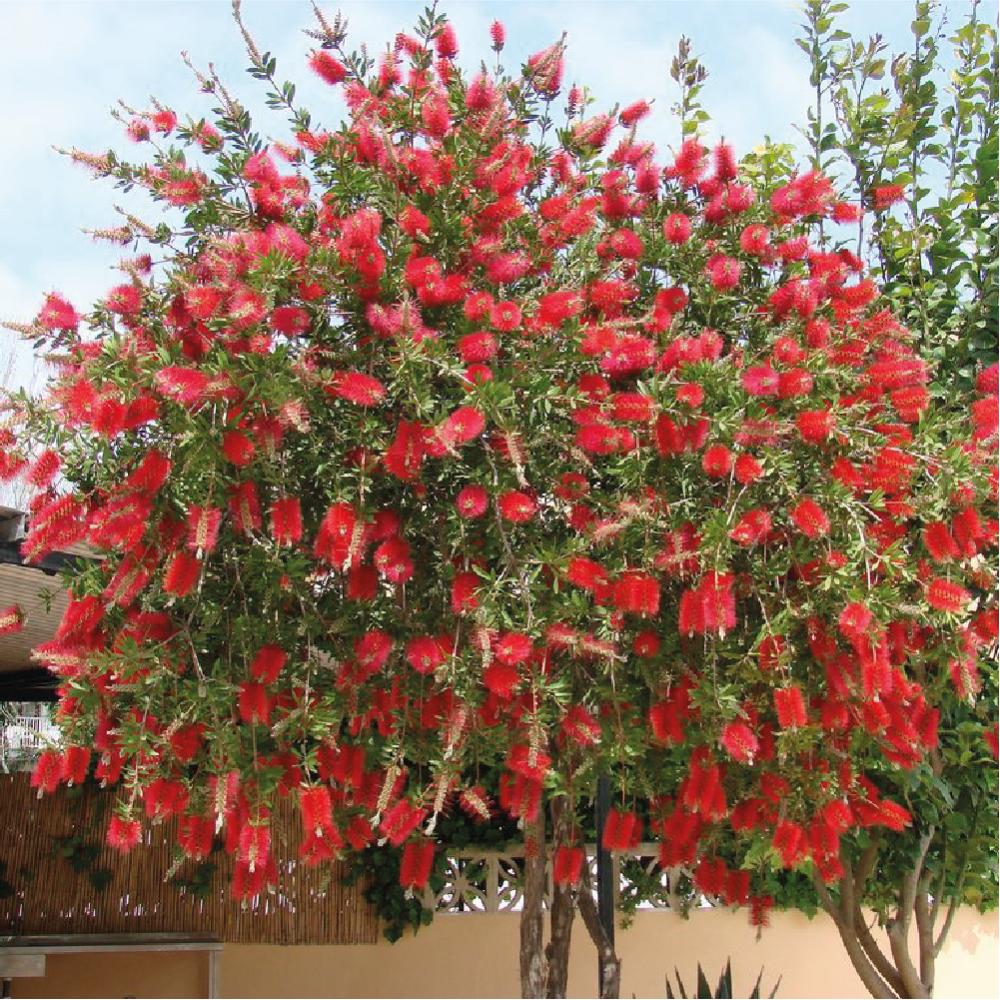
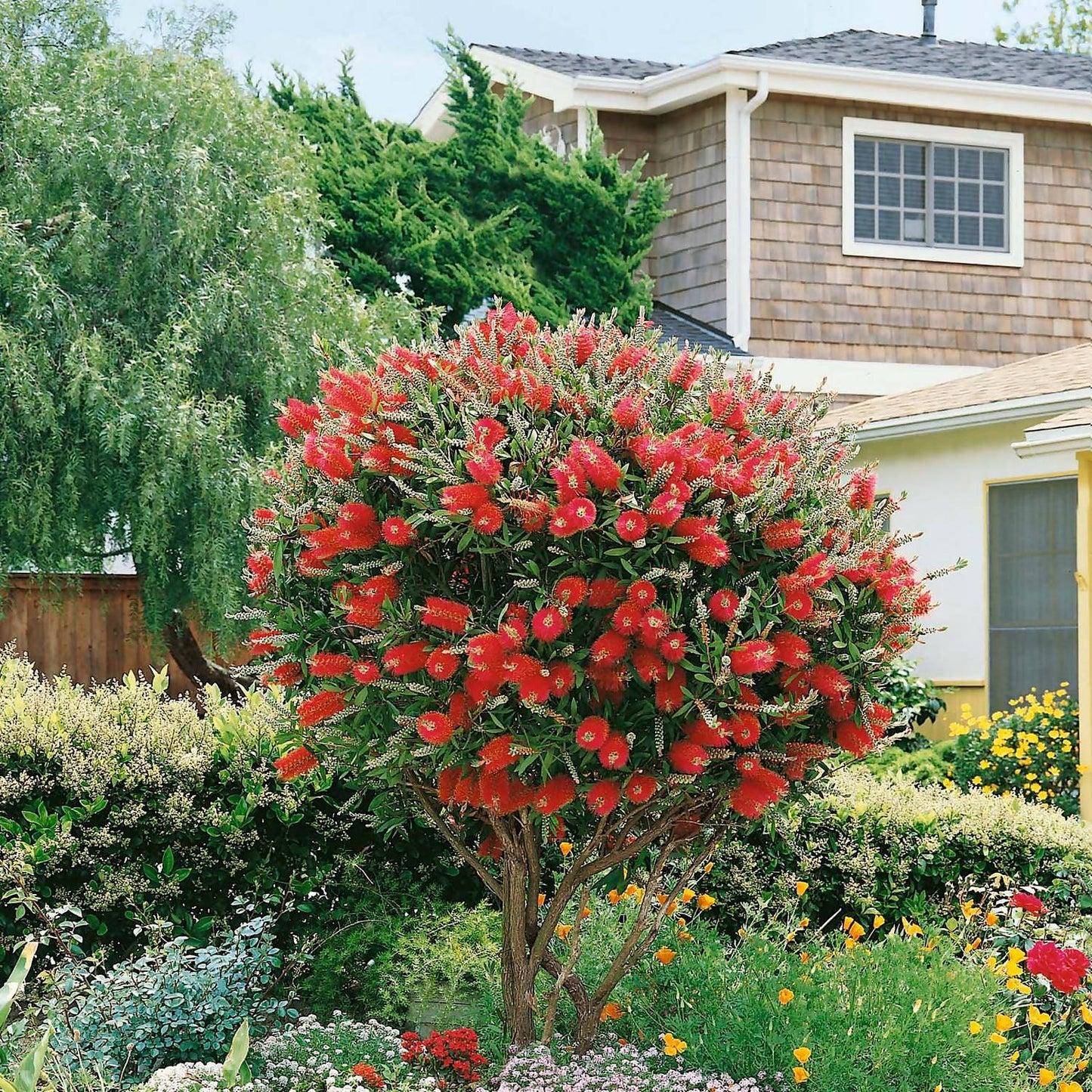
Bottlebrush


Scientific Name: Callistemon citrinus (now often classified as Melaleuca citrina) Common Name: Bottlebrush, Crimson Bottlebrush, Lemon Bottlebrush Family: Myrtaceae Genus: Callistemon (or Melaleuca in newer classifications) Origin: Australia Plant Type: Evergreen flowering shrub or small tree
- SKU: PLANT4589
- CATEGORY: Farmhouses and commercial landscapes
- TAGs: Air Purifying , Low Maintenance
Introduction
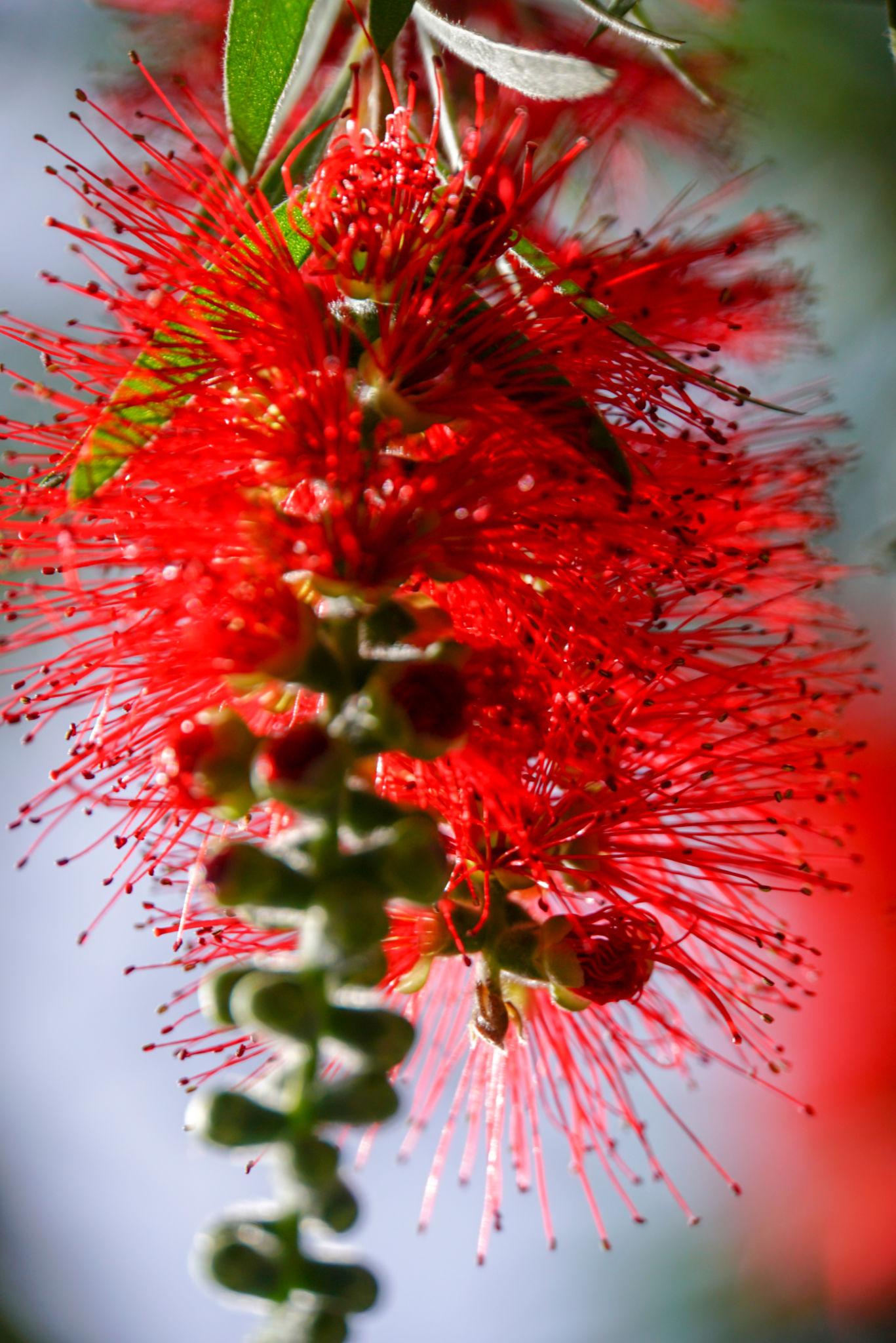
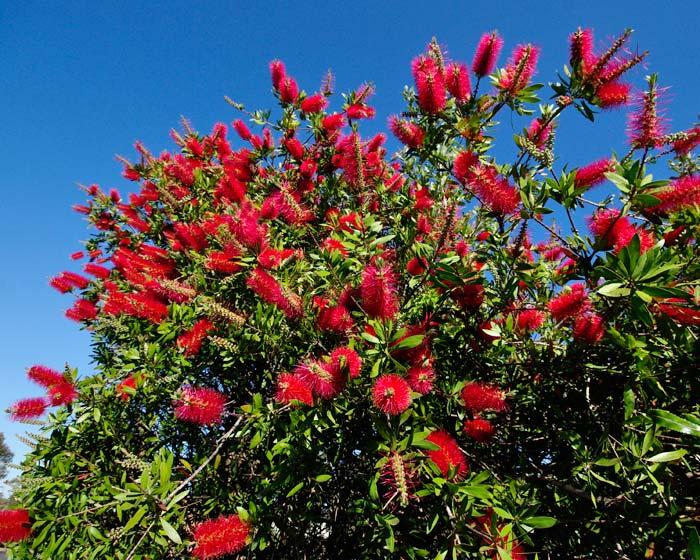
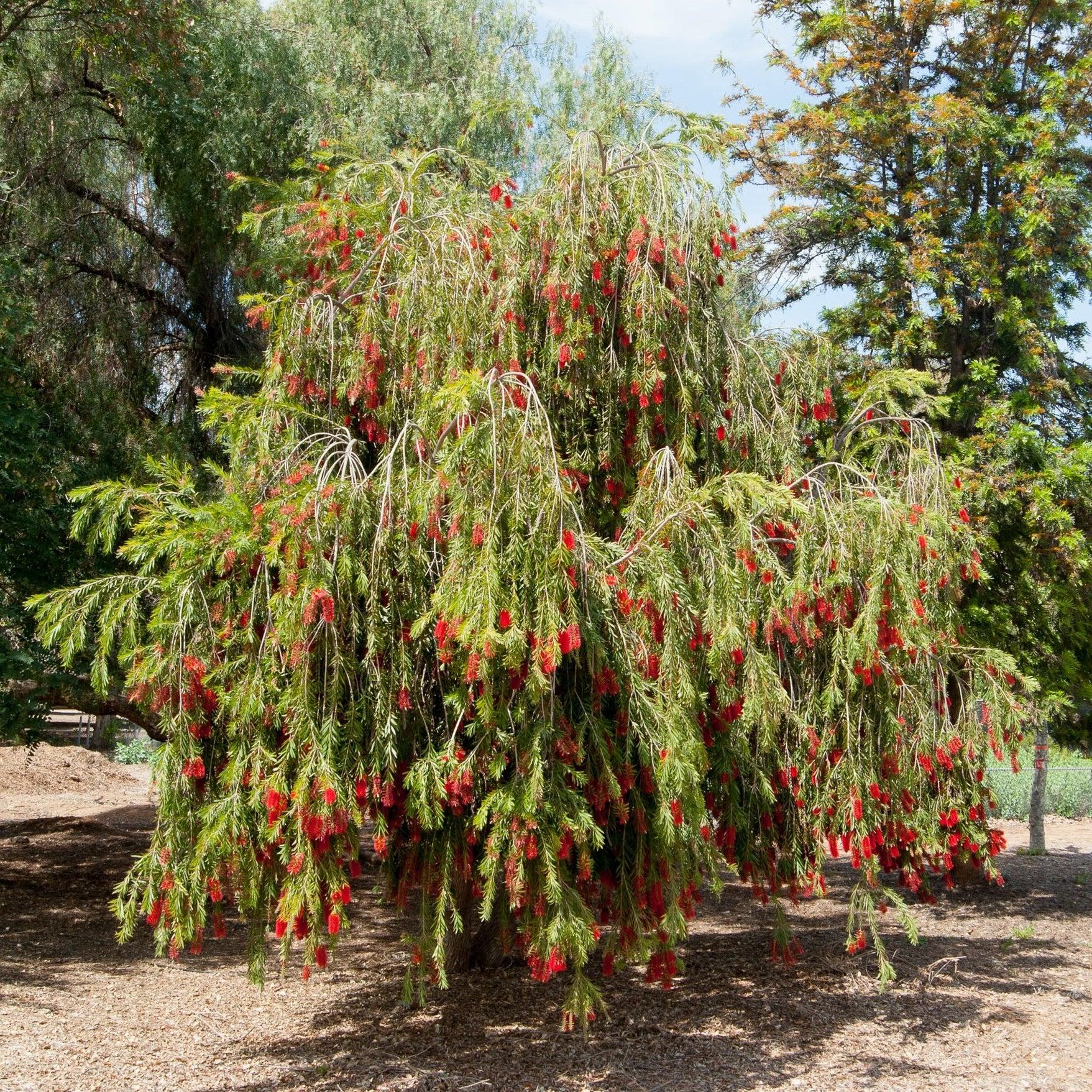
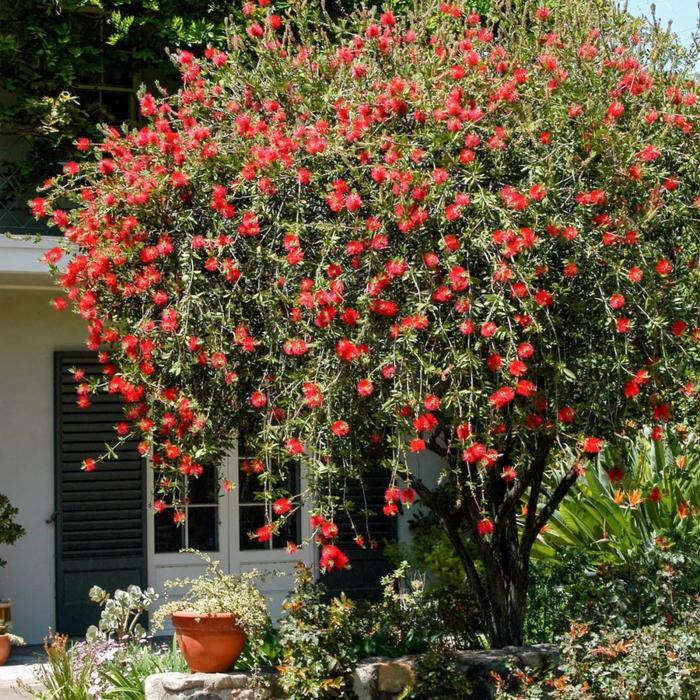
Bottlebrush (Callistemon citrinus) is a beautiful evergreen ornamental shrub or small tree, famous for its bright red, bottlebrush-shaped flowers that resemble the brush used for cleaning bottles. Native to Australia, it is widely grown in tropical, subtropical, and warm temperate regions for its striking flowers, attractive foliage, and ability to attract birds, butterflies, and bees.
Bottlebrush is commonly planted in gardens, parks, roadside avenues, hedges, public landscapes, and commercial properties because of its long flowering season and low maintenance.
Physical Characteristics
Height
- Typically grows 10–20 feet (3–6 meters) tall.
- Dwarf varieties grow 3–6 feet (1–2 meters).
Spread
- Spreads 6–15 feet (2–4.5 meters) wide.
- Forms a dense, rounded canopy.
Trunk
- Short, woody trunk with rough gray-brown bark.
- Highly branched structure.
Leaves
- Narrow, lance-shaped leaves.
- Bright green to dark green.
- Leaves measure 2–4 inches (5–10 cm) long.
- When crushed, they release a pleasant lemon-like fragrance.
Flowers
- Bright red cylindrical flower spikes.
- Resemble a bottle-cleaning brush.
- Each flower spike measures 2–5 inches (5–12 cm) long.
- Some varieties also produce:
- Pink flowers
- White flowers
- Purple flowers
- Yellow flowers
Fruits
- Small woody seed capsules.
- Remain attached to branches for several years.
Propagation
Bottlebrush is propagated by:
1. Stem Cuttings
- Most common method.
- Take semi-hardwood cuttings.
- Rooting occurs within 4–8 weeks.
2. Seeds
- Sow fresh seeds in moist, well-drained soil.
- Germination occurs within 2–6 weeks.
Landscape & Decorative Uses
Bottlebrush is ideal for:
- Home gardens
- Parks
- Avenue plantations
- Hedges
- Public landscapes
- Hotels and resorts
- Butterfly gardens
- Bird-friendly gardens
- Farmhouses
- Commercial landscapes
Common Problems
Root Rot
Occurs due to excessive watering or poor drainage.
Aphids
Attack young shoots and flower spikes.
Scale Insects
May infest stems and leaves.
Leaf Spot
Can occur in humid conditions.
Sooty Mold
May develop following insect infestations.
Maintenance Tips
- Plant in full sunlight.
- Water regularly until established.
- Prune lightly after flowering to encourage new growth.
- Remove dead or damaged branches.
- Fertilize during the growing season.
- Ensure proper drainage.
- Monitor regularly for pests.
Lifespan
With proper care, Bottlebrush plants can live for 30–50 years or more, flowering beautifully every year.
Interesting Facts
- The name Bottlebrush comes from its distinctive flower spikes that closely resemble a bottle-cleaning brush.
- The flowers are rich in nectar and attract bees, butterflies, and nectar-feeding birds.
- Crushed leaves emit a pleasant lemon fragrance due to the natural oils they contain.
- Bottlebrush is highly tolerant of pruning and can be trained as a shrub, hedge, or small tree.
- It is a popular choice for sustainable landscapes because of its drought tolerance and ability to support pollinators.
Growing Requirements
Sunlight
- Requires full sun.
- Needs 6–8 hours of direct sunlight daily for maximum flowering.
Temperature
- Ideal temperature: 18°C–35°C (64°F–95°F).
- Tolerates moderate heat.
- Can withstand light frost once established.
Soil
- Well-drained sandy or loamy soil.
- Soil pH: 5.5–7.5.
- Adapts to various soil types if drainage is good.
Watering
- Water regularly while establishing.
- Mature plants are moderately drought tolerant.
- Avoid prolonged waterlogging.
Fertilizer
Apply a balanced flowering fertilizer every 2–3 months during the growing season.
Recommended nutrients:
- Nitrogen (N)
- Phosphorus (P)
- Potassium (K)
Growth Rate
- Moderate to fast-growing.
- Typically grows 1–2 feet (30–60 cm) per year under favorable conditions.