

Product
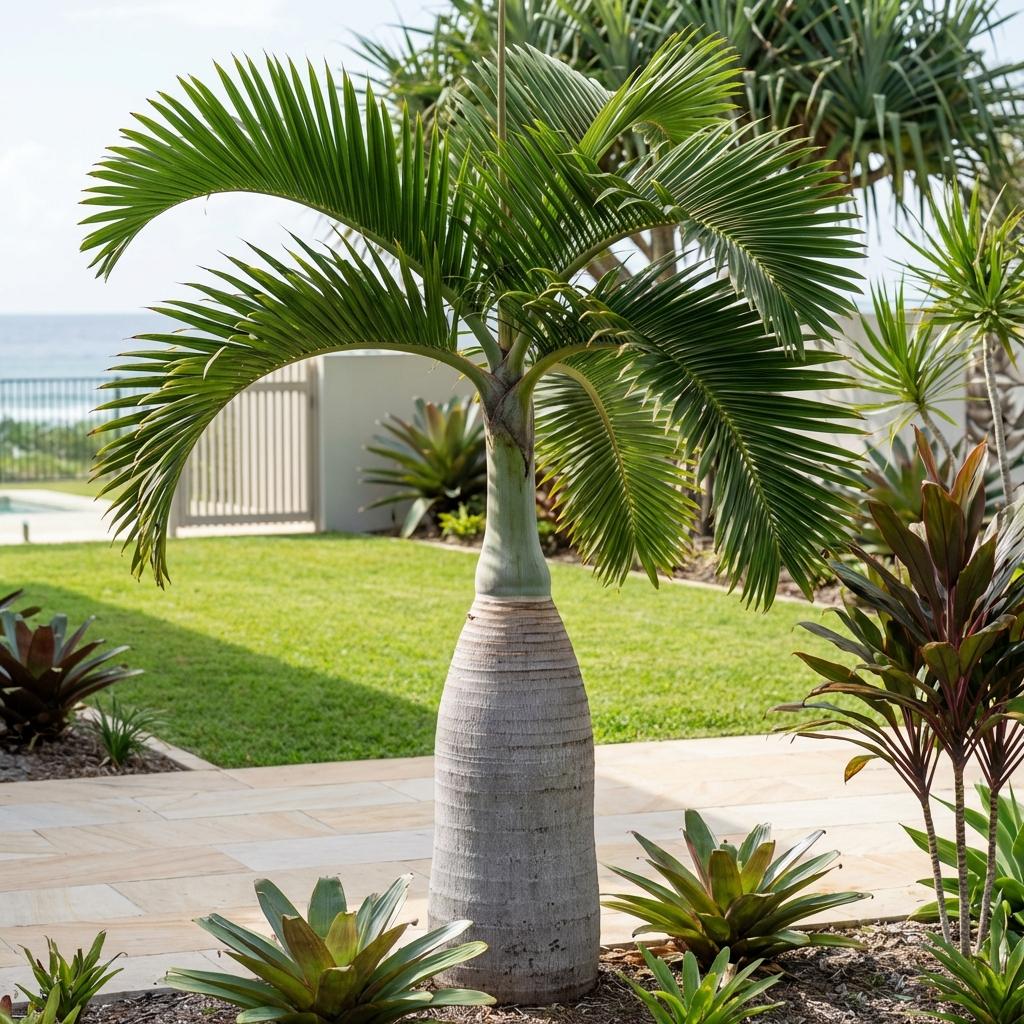
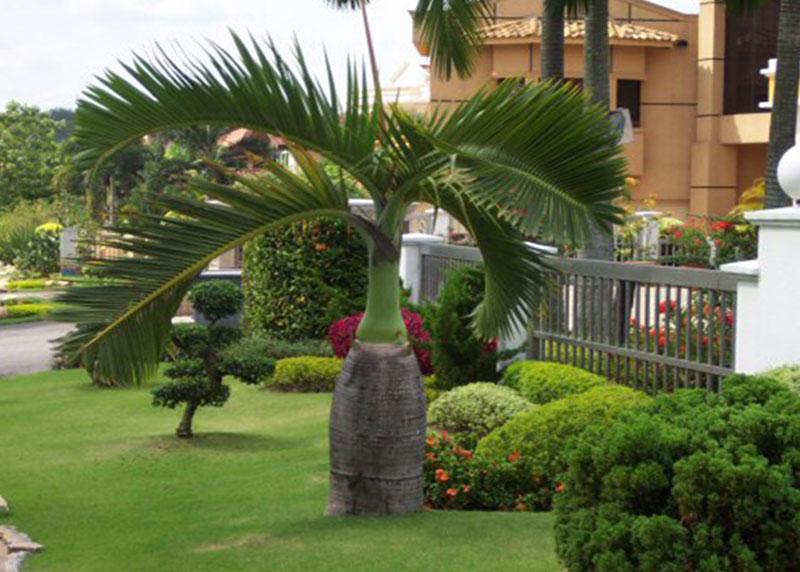
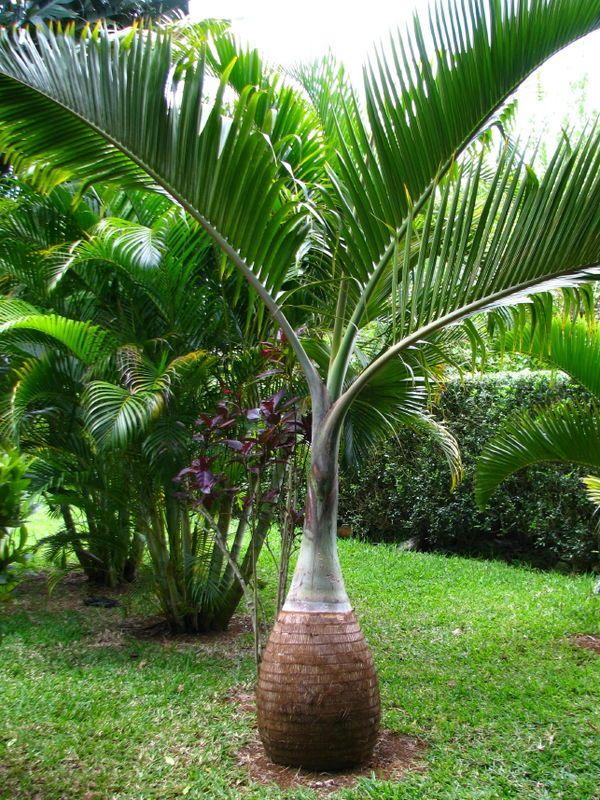
Bottle Palm


Scientific Name: Hyophorbe lagenicaulis Common Name: Bottle Palm Family: Arecaceae (Palm Family) Genus: Hyophorbe Origin: Round Island, Mauritius Plant Type: Evergreen ornamental palm
- SKU: PLANT4589
- CATEGORY: Palms for landscaping
- TAGs: Air Purifying , Low Maintenance
IntroductionIntroduction
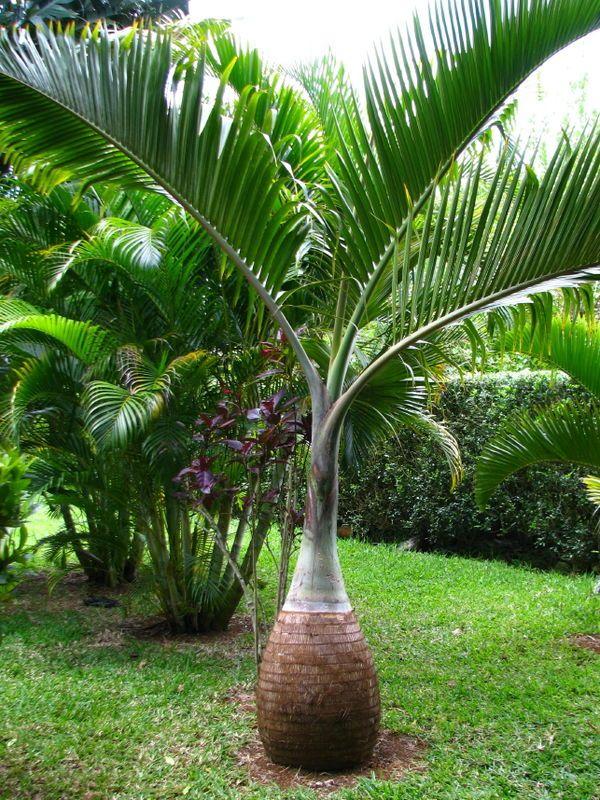
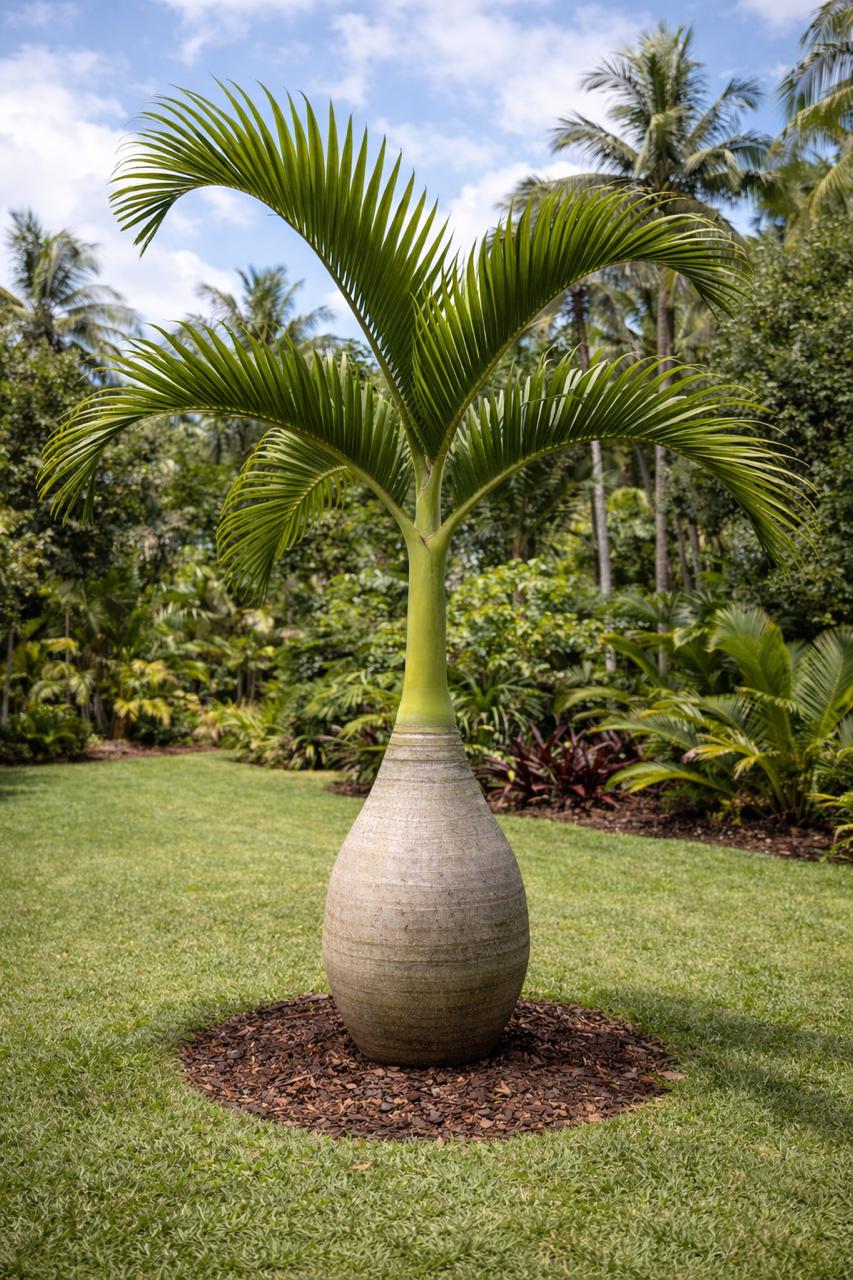
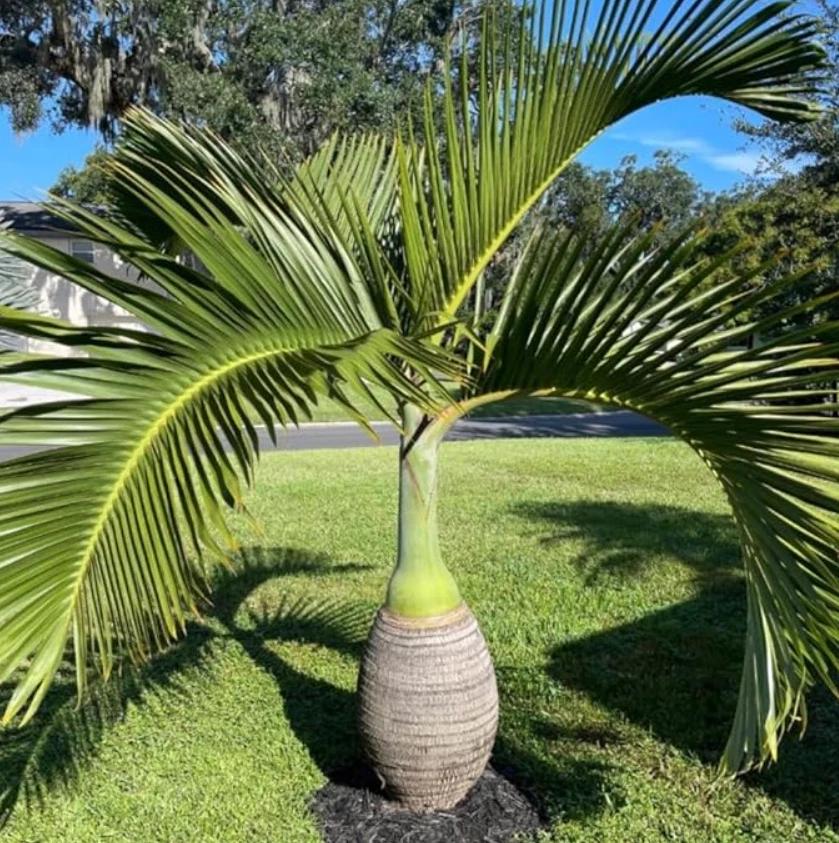
The Bottle Palm (Hyophorbe lagenicaulis) is a beautiful ornamental palm famous for its distinctive bottle-shaped trunk, which becomes swollen at the base and narrows toward the top. Native to the island of Mauritius, it is one of the most attractive landscape palms used in tropical and subtropical gardens. Its elegant appearance, compact size, and low maintenance requirements make it a popular choice for homes, resorts, parks, hotels, and commercial landscapes.
Physical Characteristics
Height
- Grows 10–20 feet (3–6 meters) tall.
- Compact size makes it suitable for small and medium-sized landscapes.
Trunk
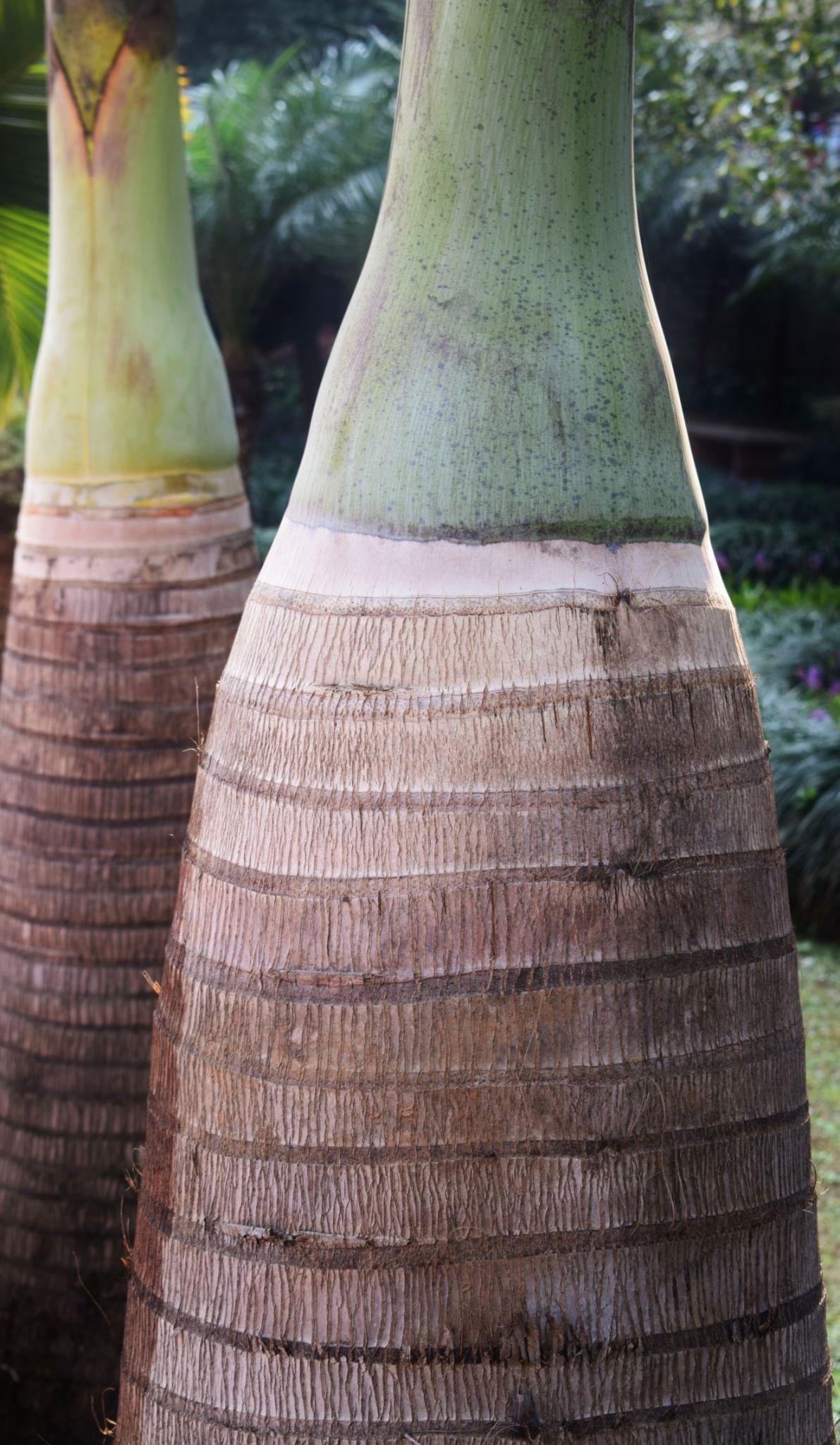
- Thick, smooth, gray trunk with a unique bottle-like shape.
- Swollen at the lower portion and narrower near the crown.
- Stores water, helping the palm tolerate dry periods.
Leaves
- Feather-like (pinnate), glossy green fronds.
- Each frond grows 6–10 feet (1.8–3 meters) long.
- Mature palms usually carry 4–8 gracefully arching leaves.
Crownshaft
- Smooth, green crownshaft beneath the leaves.
- Gives the palm a clean and elegant appearance.
Flowers
- Produces small creamy-white flowers.
- Flowers grow below the crownshaft during warm months.
Fruits
- Small oval fruits.
- Green when immature and black when ripe.
- Seeds are used for propagation.
Propagation
Bottle Palm is propagated mainly through seeds.
Propagation Steps
- Collect ripe black fruits.
- Remove the outer pulp.
- Wash the seeds thoroughly.
- Soak seeds in warm water for 24–48 hours.
- Sow in moist, well-drained potting mix.
- Maintain a temperature of 25–30°C.
- Germination usually occurs within 2–6 months.
Landscape Uses
Bottle Palm is widely used for:
- Residential gardens
- Luxury villas
- Hotels and resorts
- Parks
- Poolside landscaping
- Entrance gates
- Courtyards
- Commercial buildings
- Tropical gardens
- Decorative container planting (young plants)
Advantages
- Unique bottle-shaped trunk.
- Attractive tropical appearance.
- Compact size suitable for limited spaces.
- Low maintenance.
- Drought tolerant after establishment.
- Excellent focal point in landscapes.
- Long lifespan.
Common Problems
Root Rot
Occurs due to overwatering or poor drainage.
Nutrient Deficiency
Yellow leaves may indicate potassium or magnesium deficiency.
Cold Damage
Low temperatures can burn leaves and slow growth.
Pests
Occasionally affected by:
- Scale insects
- Mealybugs
- Spider mites
Maintenance Tips
- Plant in a sunny location.
- Ensure excellent soil drainage.
- Water deeply but avoid standing water.
- Fertilize regularly with a balanced palm fertilizer.
- Remove only dead or damaged fronds.
- Apply mulch around the base to conserve moisture.
- Protect young plants from frost.
Lifespan
With proper care, a Bottle Palm can live for 50–70 years or more, remaining an attractive ornamental tree throughout its life.
Interesting Facts
- Native to Round Island, Mauritius.
- Its swollen trunk stores water, helping it survive dry conditions.
- It is one of the most recognizable ornamental palms because of its unusual trunk shape.
- Bottle Palm is widely planted in tropical landscapes around the world.
- Despite being rare in its natural habitat, it is commonly cultivated in gardens and resorts.
The Bottle Palm (Hyophorbe lagenicaulis) is a beautiful ornamental palm famous for its distinctive bottle-shaped trunk, which becomes swollen at the base and narrows toward the top. Native to the island of Mauritius, it is one of the most attractive landscape palms used in tropical and subtropical gardens. Its elegant appearance, compact size, and low maintenance requirements make it a popular choice for homes, resorts, parks, hotels, and commercial landscapes.
Physical Characteristics
Height
- Grows 10–20 feet (3–6 meters) tall.
- Compact size makes it suitable for small and medium-sized landscapes.
Trunk
- Thick, smooth, gray trunk with a unique bottle-like shape.
- Swollen at the lower portion and narrower near the crown.
- Stores water, helping the palm tolerate dry periods.
Leaves
- Feather-like (pinnate), glossy green fronds.
- Each frond grows 6–10 feet (1.8–3 meters) long.
- Mature palms usually carry 4–8 gracefully arching leaves.
Crownshaft
- Smooth, green crownshaft beneath the leaves.
- Gives the palm a clean and elegant appearance.
Flowers
- Produces small creamy-white flowers.
- Flowers grow below the crownshaft during warm months.
Fruits
- Small oval fruits.
- Green when immature and black when ripe.
- Seeds are used for propagation.
Growing Requirements
Sunlight
- Requires full sun.
- Best growth with 6–8 hours of direct sunlight daily.
Temperature
- Ideal temperature: 20°C–35°C (68°F–95°F).
- Sensitive to frost and prolonged cold weather.
Soil
- Well-drained sandy or loamy soil.
- Soil pH: 6.0–7.5.
- Avoid waterlogged conditions.
Watering
- Water regularly while the palm is young.
- Mature plants need moderate watering.
- Allow the topsoil to dry slightly between waterings.
Fertilizer
Feed every 3–4 months with a quality palm fertilizer containing:
- Nitrogen (N)
- Potassium (K)
- Magnesium (Mg)
- Manganese (Mn)
- Iron (Fe)
Growth Rate
- Slow-growing ornamental palm.
- Typically grows 6–12 inches (15–30 cm) per year under favorable conditions.
Propagation
Bottle Palm is propagated mainly through seeds.
Propagation Steps
- Collect ripe black fruits.
- Remove the outer pulp.
- Wash the seeds thoroughly.
- Soak seeds in warm water for 24–48 hours.
- Sow in moist, well-drained potting mix.
- Maintain a temperature of 25–30°C.
- Germination usually occurs within 2–6 months.
Landscape Uses
Bottle Palm is widely used for:
- Residential gardens
- Luxury villas
- Hotels and resorts
- Parks
- Poolside landscaping
- Entrance gates
- Courtyards
- Commercial buildings
- Tropical gardens
- Decorative container planting (young plants)
Common Problems
Root Rot
Occurs due to overwatering or poor drainage.
Nutrient Deficiency
Yellow leaves may indicate potassium or magnesium deficiency.
Cold Damage
Low temperatures can burn leaves and slow growth.
Pests
Occasionally affected by:
- Scale insects
- Mealybugs
- Spider mites
Maintenance Tips
- Plant in a sunny location.
- Ensure excellent soil drainage.
- Water deeply but avoid standing water.
- Fertilize regularly with a balanced palm fertilizer.
- Remove only dead or damaged fronds.
- Apply mulch around the base to conserve moisture.
- Protect young plants from frost.
Lifespan
With proper care, a Bottle Palm can live for 50–70 years or more, remaining an attractive ornamental tree throughout its life.
Interesting Facts
- Native to Round Island, Mauritius.
- Its swollen trunk stores water, helping it survive dry conditions.
- It is one of the most recognizable ornamental palms because of its unusual trunk shape.
- Bottle Palm is widely planted in tropical landscapes around the world.
- Despite being rare in its natural habitat, it is commonly cultivated in gardens and resorts.
Growing Requirements
Sunlight
- Requires full sun.
- Best growth with 6–8 hours of direct sunlight daily.
Temperature
- Ideal temperature: 20°C–35°C (68°F–95°F).
- Sensitive to frost and prolonged cold weather.
Soil
- Well-drained sandy or loamy soil.
- Soil pH: 6.0–7.5.
- Avoid waterlogged conditions.
Watering
- Water regularly while the palm is young.
- Mature plants need moderate watering.
- Allow the topsoil to dry slightly between waterings.
Fertilizer
Feed every 3–4 months with a quality palm fertilizer containing:
- Nitrogen (N)
- Potassium (K)
- Magnesium (Mg)
- Manganese (Mn)
- Iron (Fe)
Growth Rate
- Slow-growing ornamental palm.
- Typically grows 6–12 inches (15–30 cm) per year under favorable conditions.