

Product
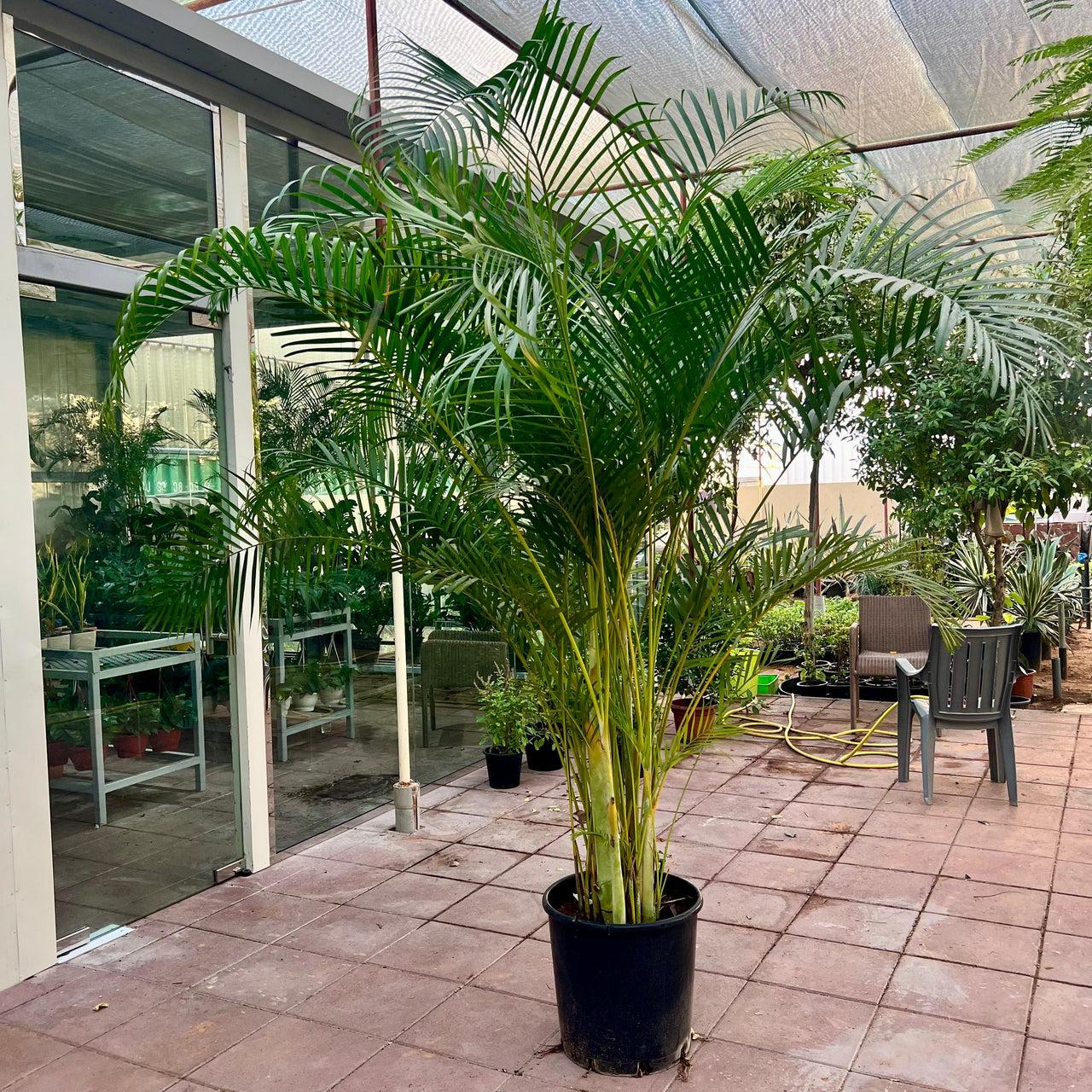
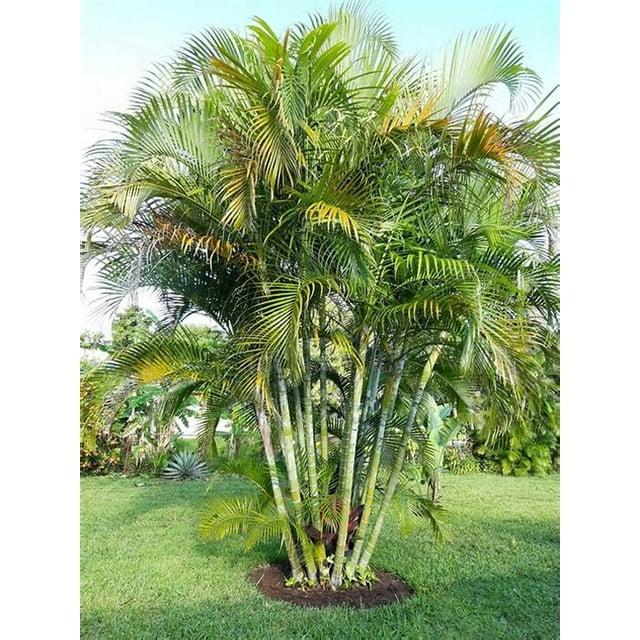
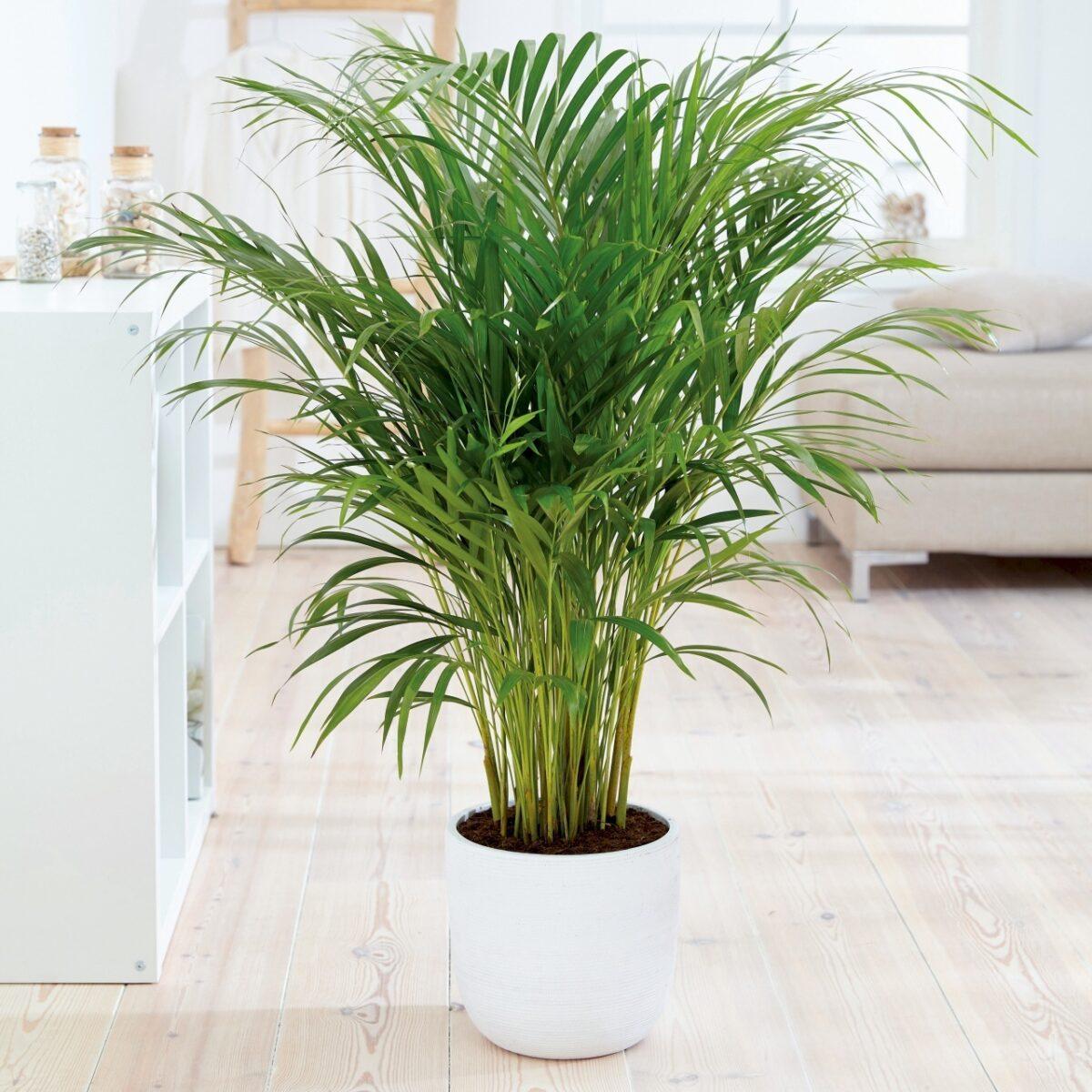
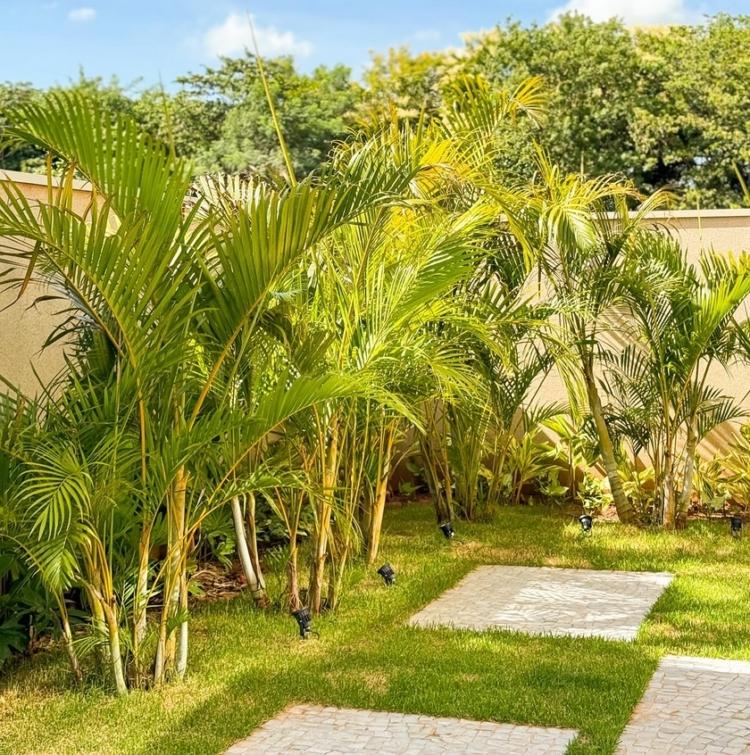
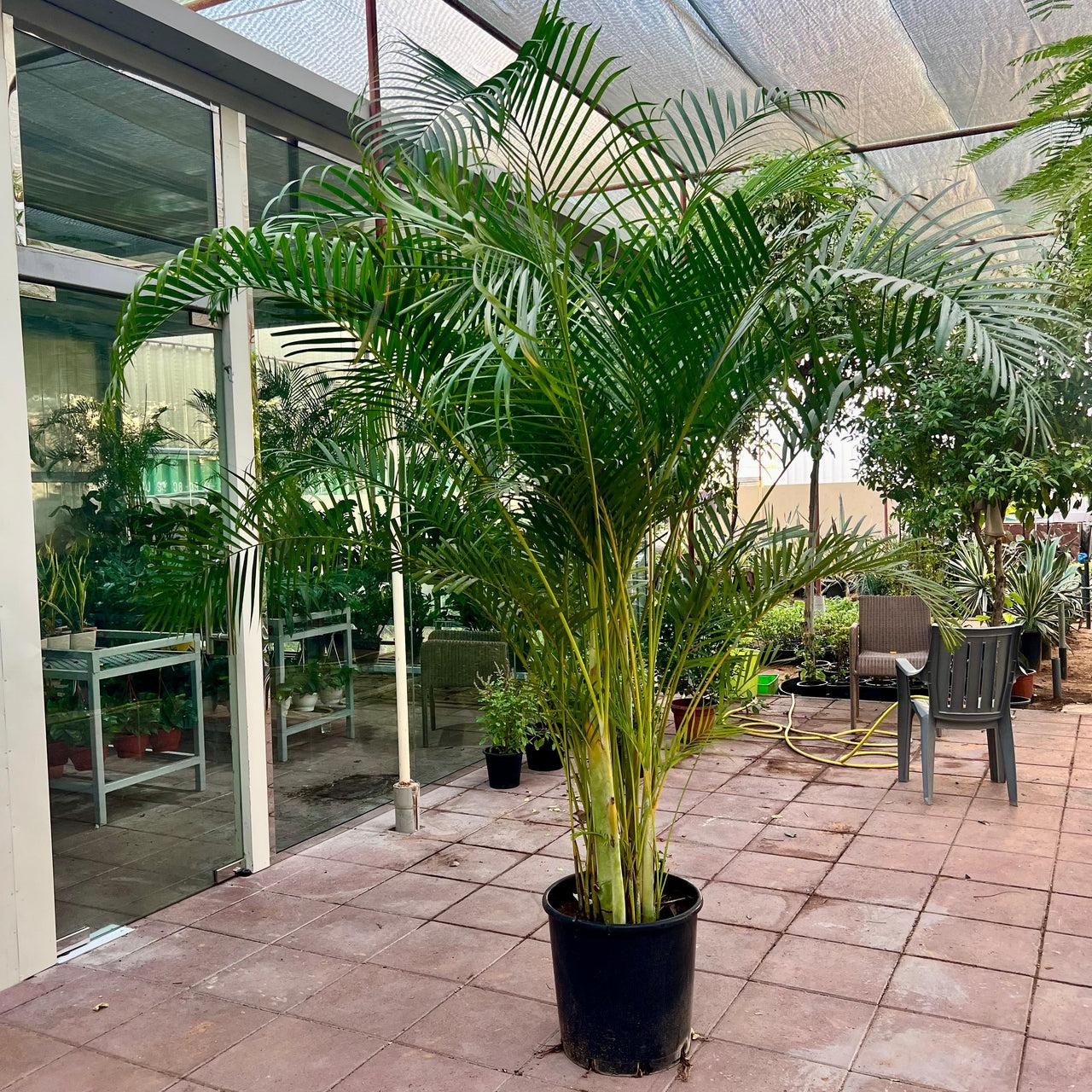
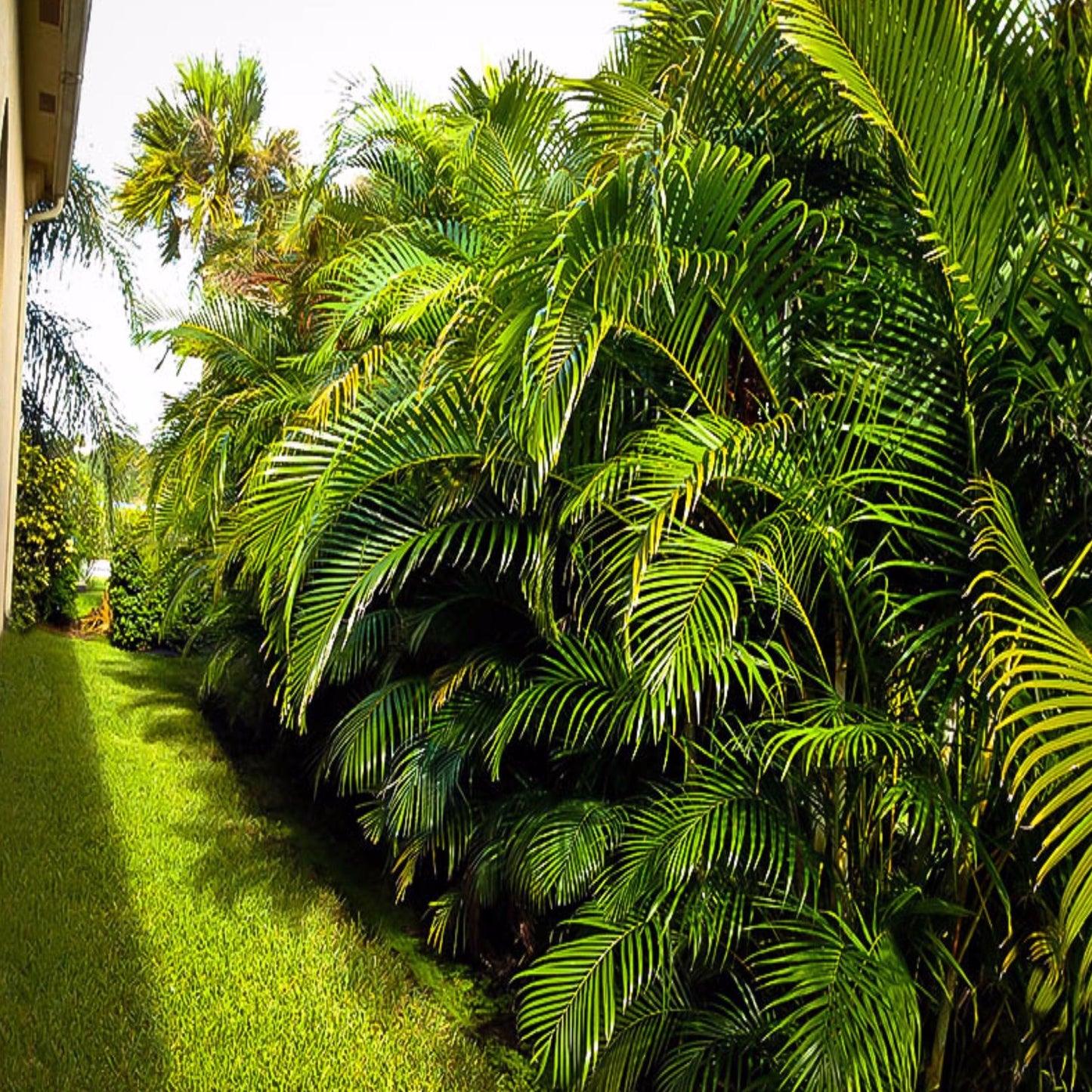
Areca Palm


Scientific Name: Dypsis lutescens Common Name: Areca Palm, Butterfly Palm, Golden Cane Palm, Bamboo Palm Family: Arecaceae (Palm Family) Genus: Dypsis Origin: Madagascar Plant Type: Evergreen ornamental palm
- SKU: PLANT4589
- CATEGORY: Home gardens
- TAGs: Air Purifying , Low Maintenance
Introduction
Areca Palm (Dypsis lutescens) is one of the most popular ornamental palms in the world, valued for its graceful, arching fronds and lush tropical appearance. Native to Madagascar, it is widely grown as both an indoor and outdoor plant due to its attractive foliage, air-purifying qualities, and easy maintenance.
The plant forms multiple stems from its base, giving it a bamboo-like appearance. It is commonly used in homes, offices, hotels, gardens, parks, and commercial landscapes.
Physical Characteristics
Height
- Outdoors: 20–30 feet (6–9 meters).
- Indoors: 6–10 feet (1.8–3 meters).
Spread
- Typically spreads 6–10 feet (1.8–3 meters) wide.
Stem
- Multiple slender, cane-like stems.
- Smooth, greenish-yellow to golden in color.
- Resembles bamboo, hence the name Bamboo Palm.
Leaves
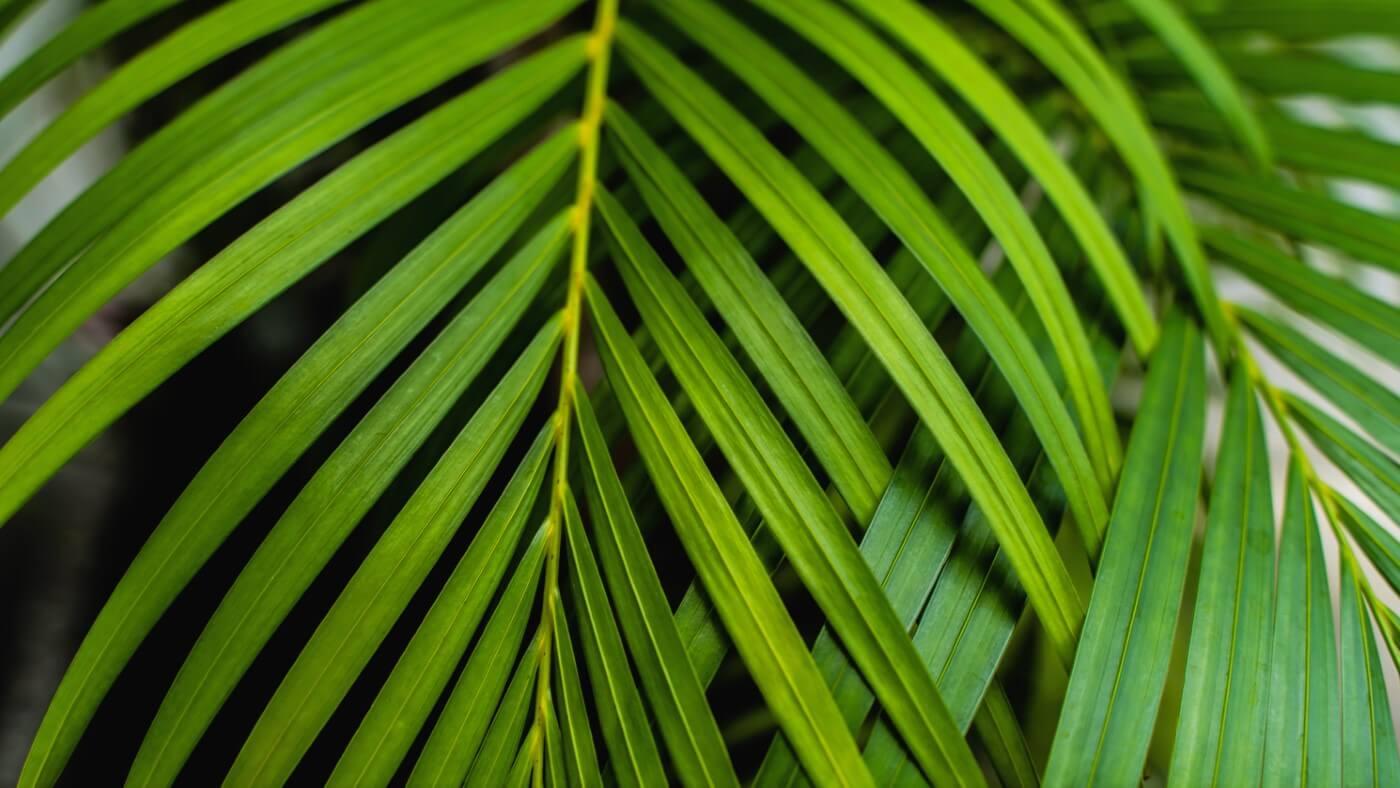
- Long, feathery (pinnate), arching fronds.
- Bright green with numerous narrow leaflets.
- Each frond measures 5–8 feet (1.5–2.5 meters) long.
Flowers
- Small creamy-white flowers.
- Grow in clusters below the leaves.
- Usually appear on mature outdoor plants.
Fruits
- Small oval fruits.
- Green when young, turning yellow to orange as they mature.
Propagation
Areca Palm is propagated by:
1. Division
- Separate healthy clumps with roots from the parent plant.
- Replant in well-drained soil.
- This is the easiest and most common method.
2. Seeds
- Sow fresh seeds in warm, moist soil.
- Germination usually takes 6–12 weeks.
Landscape & Decorative Uses
Areca Palm is ideal for:
- Indoor decoration
- Living rooms
- Offices
- Hotels and resorts
- Shopping malls
- Gardens
- Parks
- Poolside landscaping
- Privacy screens
- Tropical landscapes
- Container planting
Common Problems
Root Rot
Caused by overwatering or poor drainage.
Yellow Leaves
May result from nutrient deficiencies or excessive watering.
Brown Leaf Tips
Often caused by low humidity, fluoride in water, or underwatering.
Spider Mites
Common on indoor plants in dry conditions.
Mealybugs
Can infest stems and leaves.
Scale Insects
Occasionally attack mature plants.
Maintenance Tips
- Place indoors in bright, indirect light.
- Water regularly but avoid soggy soil.
- Mist the leaves occasionally in dry indoor environments.
- Remove yellow or damaged fronds.
- Fertilize during spring and summer.
- Repot every 2–3 years if container-grown.
- Keep away from cold drafts and frost.
Lifespan
With proper care, an Areca Palm can live for 20–40 years or more, maintaining its lush appearance throughout its life.
Interesting Facts
- Areca Palm is one of the best indoor air-purifying plants, helping improve indoor air quality.
- It is commonly called the Butterfly Palm because its arching fronds resemble butterfly wings.
- The plant naturally grows in clumps, creating a full and elegant appearance.
- It is widely used in offices and homes because it adapts well to indoor conditions.
- Areca Palm is considered safe for cats and dogs, making it a popular houseplant for pet owners.
Growing Requirements
Sunlight
- Prefers bright indirect light.
- Can tolerate partial shade.
- Outdoors, it grows well in filtered sunlight or partial sun.
- Avoid harsh afternoon sunlight indoors.
Temperature
- Ideal temperature: 18°C–30°C (64°F–86°F).
- Sensitive to frost.
- Best suited for tropical and subtropical climates.
Soil
- Well-drained, fertile, loamy soil.
- Soil pH: 6.0–7.5.
- Rich organic matter promotes healthy growth.
Watering
- Keep the soil evenly moist but not waterlogged.
- Water when the top inch (2–3 cm) of soil becomes dry.
- Reduce watering during winter.
Fertilizer
Feed every 2–3 months during the growing season with a palm fertilizer containing:
- Nitrogen (N)
- Potassium (K)
- Magnesium (Mg)
- Iron (Fe)
- Manganese (Mn)
Growth Rate
- Moderate to fast-growing palm.
- Typically grows 1–2 feet (30–60 cm) per year under ideal conditions.