

Product
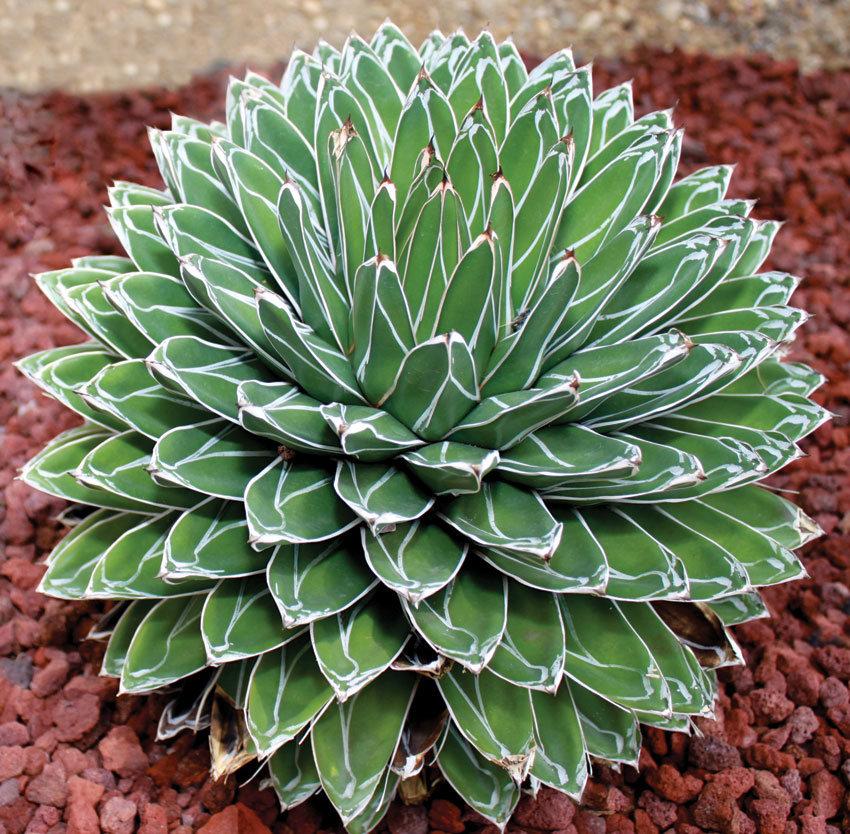
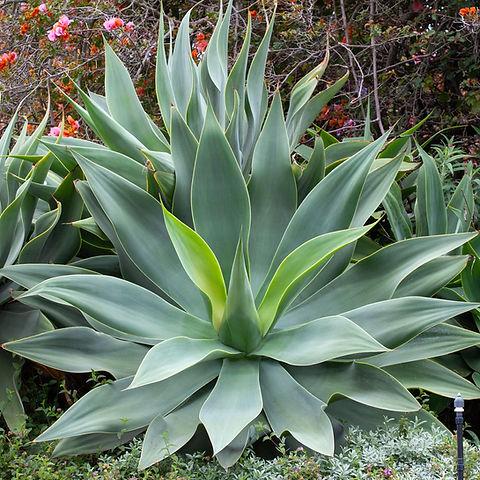
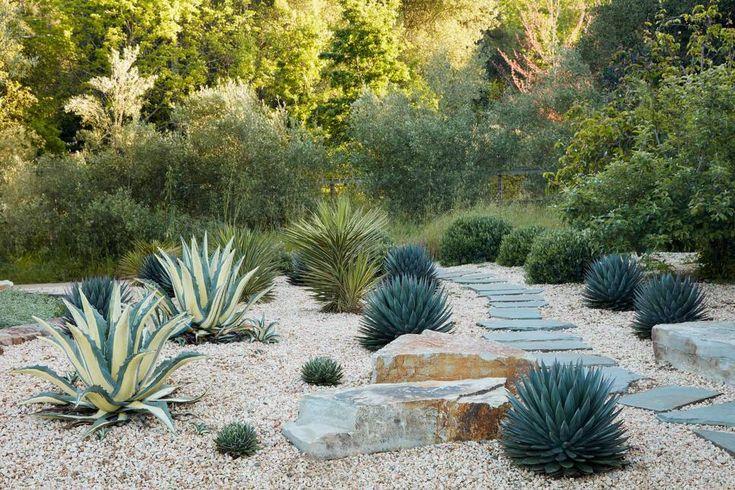
Agave


Scientific Name: Agave spp. Common Name: Agave, Century Plant, Blue Agave (specific species) Family: Asparagaceae Genus: Agave Origin: Mexico, the Southwestern United States, Central America, and the Caribbean Plant Type: Evergreen succulent
- SKU: PLANT4589
- CATEGORY: Succulents
- TAGs: Air Purifying , Low Maintenance
Introduction
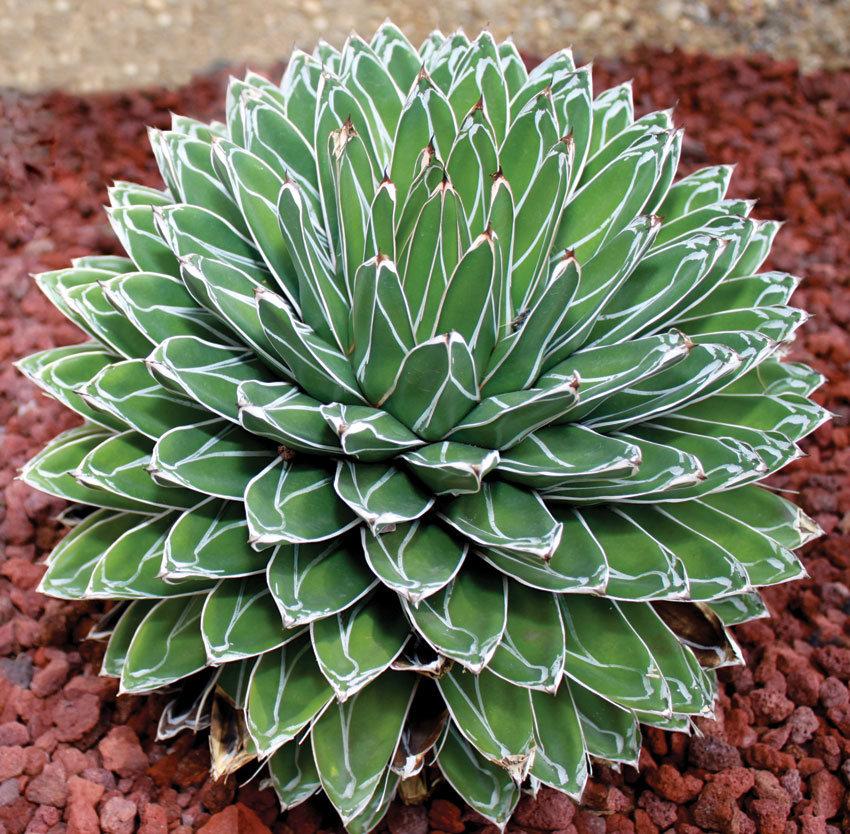
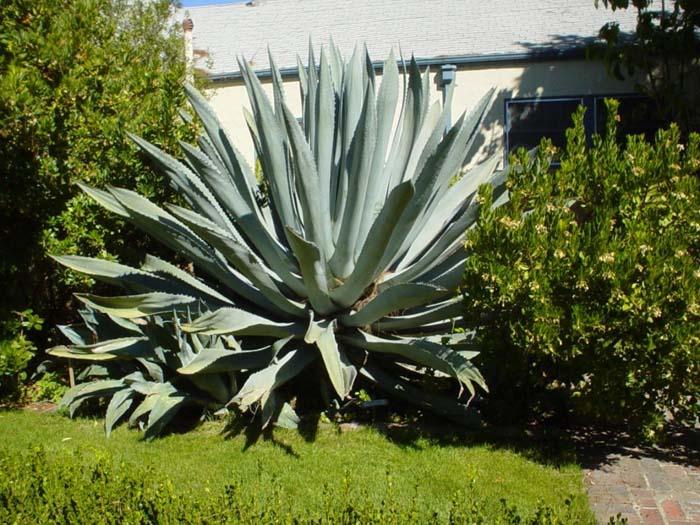
Agave is a genus of striking evergreen succulent plants known for their bold rosettes of thick, fleshy leaves with pointed tips and spiny margins. Native to arid and semi-arid regions of the Americas, Agaves are highly valued for their ornamental beauty, drought tolerance, and low maintenance.
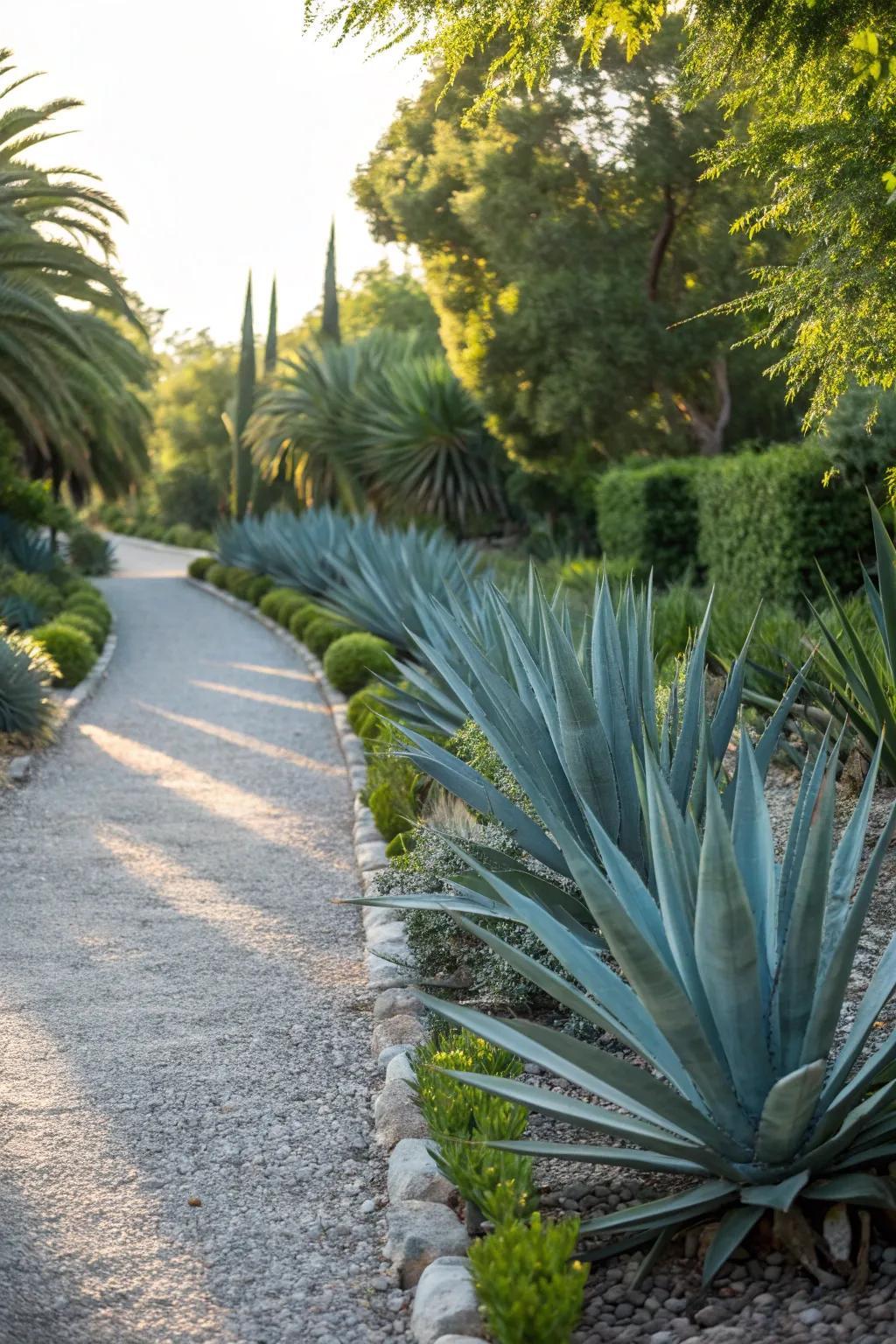
Many species are used in landscaping, while Blue Agave (Agave tequilana) is famously cultivated for producing tequila. Agaves are ideal for rock gardens, xeriscaping, container gardening, parks, and modern landscape designs.
Physical Characteristics
Height
- Typically grows 1–8 feet (30 cm–2.5 meters) tall, depending on the species.
Spread
- Can spread 2–10 feet (60 cm–3 meters) wide.
Stem
- Usually very short or stemless.
- Leaves emerge from a central rosette.
Leaves
- Thick, fleshy, and succulent.
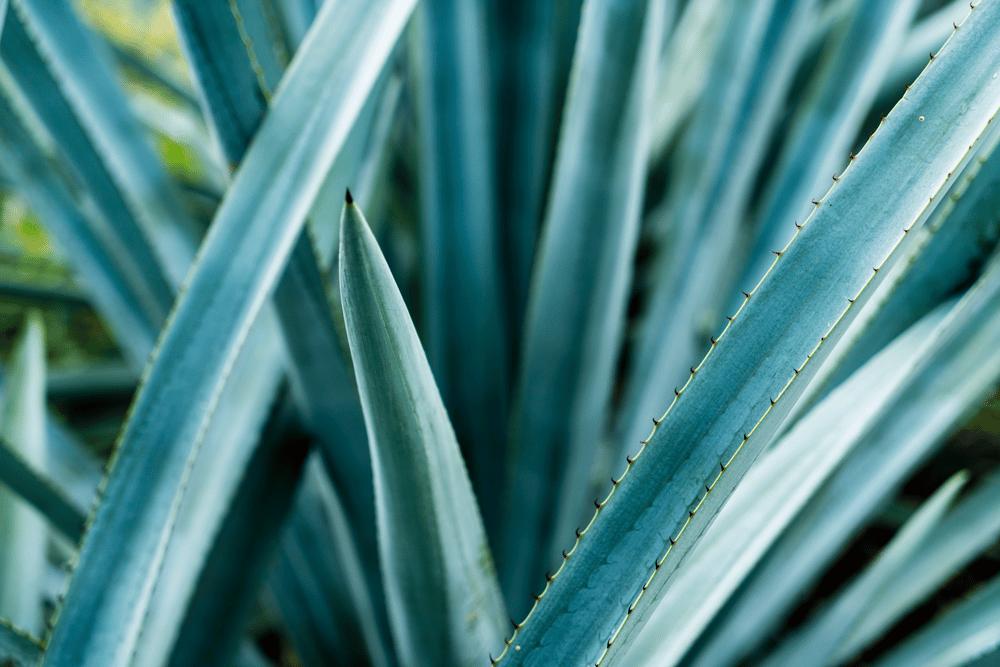
- Sword-shaped with pointed tips.
- Colors vary from:
- Green
- Blue-green
- Gray-green
- Variegated green and yellow
- Many species have sharp spines along the leaf edges.
Flowers
- Produces tall flowering stalks that may reach 10–30 feet (3–9 meters).
- Flowers are yellow, greenish-yellow, or creamy white.
- Most Agave species flower only once at maturity, then the main plant dies after setting seed.
Roots
- Fibrous root system adapted to absorb water quickly after rainfall.
Propagation
Agave is propagated by:
1. Offsets (Pups)
- The easiest and most common method.
- Separate healthy pups from the mother plant.
- Allow cuts to dry for a day before planting.
2. Seeds
- Sow in well-drained soil.
- Germination usually occurs within 2–6 weeks under warm conditions.
Landscape & Decorative Uses
Agave is perfect for:
- Xeriscaping (water-efficient gardens)
- Rock gardens
- Desert landscapes
- Modern landscapes
- Parks
- Road medians
- Poolside planting
- Large containers
- Architectural focal points
- Botanical gardens
Common Problems
Root Rot
Occurs due to overwatering or poorly drained soil.
Agave Snout Weevil
A serious pest that can damage mature plants.
Scale Insects
Occasionally infest leaves.
Leaf Spot
Can occur in humid conditions.
Frost Damage
Tender species may be damaged by severe cold.
Maintenance Tips
- Plant in full sunlight.
- Use well-drained soil.
- Water only when the soil is dry.
- Remove dead or damaged leaves carefully.
- Wear gloves when handling due to sharp spines.
- Avoid excessive fertilization.
- Inspect regularly for pests.
Lifespan
Depending on the species, Agave plants can live for 10–50 years or more before flowering. After flowering, the main plant usually dies, but offsets continue the life cycle.
Interesting Facts
- The name "Century Plant" comes from the mistaken belief that it flowers only once every 100 years; in reality, most species flower after 10–30 years.
- Blue Agave (Agave tequilana) is the primary plant used to produce tequila.
- Agave fibers have traditionally been used to make ropes, mats, and textiles.
- The thick leaves store water, allowing the plant to survive long droughts.
- Agaves are popular in sustainable landscaping because they require very little irrigation.
Growing Requirements
Sunlight
- Prefers full sun.
- Requires 6–8 hours of direct sunlight daily.
- Some species tolerate partial shade.
Temperature
- Ideal temperature: 20°C–35°C (68°F–95°F).
- Most species tolerate heat well.
- Some species can withstand light frost.
Soil
- Well-drained sandy or rocky soil.
- Soil pH: 6.0–8.0.
- Excellent drainage is essential.
Watering
- Water sparingly.
- Allow soil to dry completely between waterings.
- Highly drought tolerant once established.
Fertilizer
- Feed lightly 1–2 times a year with a balanced succulent fertilizer.
- Excess fertilizer is usually unnecessary.
Growth Rate
- Slow to moderate-growing succulent.
- Growth rate depends on the species and climate.